

Did you know that product pages with videos can increase conversion rates by up to 80%? In the competitive world of ecommerce, capturing your customer’s attention quickly and effectively is crucial-and ecommerce product videos have proven to be one of the most powerful tools to do just that.
Whether you’re a small business just starting out or looking to improve your existing video content, understanding how to create compelling product videos is essential for success. In this article, we’ll explore the different types of ecommerce product videos, share best practices, highlight inspiring examples from top brands, and look ahead to future trends that will keep your business ahead of the curve.
Introduction to Ecommerce Product Videos
What Are Ecommerce Product Videos?

Ecommerce product videos are short, purposeful videos that showcase products, highlight their features, or tell a story that connects with potential buyers. Unlike static images or text, videos offer a rich, immersive experience, letting customers see products in action or understand their value through storytelling. From demonstrating a gadget’s functionality to sharing customer reviews, these videos act as a virtual sales pitch, guiding shoppers toward a purchase.
Why Product Videos Matter

Product videos are a cornerstone of modern ecommerce because they address key customer needs and drive measurable results. Here’s why they’re indispensable:
- Enhanced Customer Understanding: Videos show how products work, look, and feel, reducing confusion. For example, a video of a foldable chair in use clarifies its portability better than photos alone.
- Increased Conversion Rates: A Wyzowl study found that 88% of consumers are more likely to buy after watching a product video. Videos on product pages can boost conversions by up to 80%, per HubSpot.
- Reduced Return Rates: By setting clear expectations, videos minimize surprises. Showing a dress’s fit or a tool’s operation helps customers choose correctly, cutting returns.
Consider a cookware brand that posts a video of a non-stick pan frying an egg effortlessly. This visual proof reassures buyers, tying directly to higher sales and fewer returns. To leverage this, add a video to your best-selling product’s page and track its impact on conversions.
Consumer Behavior and Video Content
The numbers speak volumes:
- Over 80% of all internet traffic today is video content.
- 73% of shoppers say they’re more likely to purchase a product after watching a video about it.
- Mobile video consumption grows by 100% annually, making mobile-optimized content more vital than ever.
Types of Ecommerce Product Videos
In ecommerce, video content is more than a creative tool—it’s a sales asset. Different video formats support various stages of the customer journey, from awareness to conversion to post-purchase satisfaction. Here are the most impactful types of ecommerce product videos, complete with use cases and best-fit scenarios.
Product Demonstrations

Demo videos act like a virtual showroom, showcasing how a product looks, functions, and solves problems. They’re perfect for complex or pricey items, giving customers a clear, 360-degree view to boost confidence.
Example: Dyson’s vacuum demos show the machine sucking up pet hair and navigating tight corners, spotlighting features like cordless design and powerful suction. Similarly, Bose’s speaker videos highlight crisp sound and portability by playing music in outdoor settings.
Best For: Electronics, appliances, fitness gear, technical tools.
How-To and Tutorial Videos

Tutorials guide customers on using your product, from setup to advanced tips, ensuring they get maximum value. These are incredibly effective for products that require assembly, customization, or techniques to use correctly—helping reduce support inquiries and returns.
Example: Fenty Beauty’s makeup tutorials demonstrate how to create a glowing look with their highlighter, showing brush strokes and blending techniques. GoPro’s videos teach users how to mount their camera for surfing or adjust settings for night shots.
Best For: Beauty products, tech accessories, home improvement tools, software.
Customer Testimonials and Reviews

Testimonial videos feature real users sharing their experiences, adding authenticity and social proof. They’re like word-of-mouth marketing in video form, building trust fast. With 79% of consumers trusting reviews as much as personal recommendations, testimonials ease doubts and humanize your brand, especially for high-stakes purchases.
Example: Glossier’s customer clips show everyday people raving about their skincare results, filmed casually to feel relatable. Yeti’s videos feature campers praising their cooler’s ice retention during week-long trips.
Best For: Beauty products, mattresses, supplements, subscription services, DTC brands.
Unboxing and First Impressions

Unboxing videos capture the thrill of opening a product, revealing packaging, design, and first impressions. They build excitement and set expectations for delivery. These videos tap into the joy of discovery, making customers eager to experience your product. They also highlight quality details, like eco-friendly packaging, reinforcing brand value.
Example: Apple’s unboxing videos for AirPods showcase sleek packaging and easy setup, amplifying the premium feel. Loot Crate’s influencer unboxings reveal collectibles in their subscription boxes, sparking curiosity.
Best For: Subscription boxes, electronics, fashion, luxury goods.
Lifestyle and Storytelling Videos

Lifestyle videos show your product in real-world settings, weaving a story that connects emotionally. They sell a vision—how your product fits into a customer’s dreams or identity. Create a video showing your home decor item, like a lamp, in a cozy family setting then share it on Pinterest to inspire interior design fans.
Example: Nike’s videos feature runners pushing through challenges in their sneakers, inspiring viewers to chase goals. Patagonia’s clips show adventurers using their jackets in rugged landscapes, tying products to environmental values.
Best For: Apparel, fitness brands, outdoor gear, premium lifestyle products.
Additional Types to Consider
Introductory Product Videos: These announce new products or features, creating hype and excitement. They often use trending audio and clear calls to action to drive early interest.
- User-Generated Content (UGC) Videos: Created by customers using smartphones, these videos add authenticity and relatability. They can be shoppable, allowing viewers to buy directly from the video.
- Before and After Videos: Popular in beauty and fitness, these showcase transformations using the product, emphasizing effectiveness and results.
- Promo and Teaser Videos: Short, exciting clips designed to intrigue and build anticipation for a product launch or sale event.
- Explainer Videos: These combine live action and animation to educate viewers about a product or service in an engaging way, often used for tech or complex products.
- Mobile-First Videos: Optimized for mobile viewing with short duration, bold visuals, and captions to capture attention on small screens.
Best Practices for Creating Product Videos That Sell

Creating effective product videos can feel overwhelming, especially if you’re running a small ecommerce business with limited resources. However, with thoughtful planning and smart execution, you can produce videos that captivate your audience and boost sales without breaking the bank. Here’s what you need to know to craft compelling ecommerce product videos that truly work.
Pre-Production Planning
- Define Your Objectives Clearly: Decide if your video’s goal is to educate customers about your product, inspire them with a story, or directly convert views into sales. For example, a skincare brand might create an educational video explaining the benefits of ingredients, while a fashion store might focus on inspiring lifestyle content.
- Understand Your Audience: Know who you’re targeting-busy parents, fitness enthusiasts, or tech lovers-and tailor your message accordingly. This helps you script content that speaks directly to their needs and interests.
- Script and Storyboard: Plan your video’s flow before filming. Start with a strong hook in the first 3-5 seconds to grab attention, then clearly highlight the product’s key benefits. Storyboarding helps visualize scenes and ensures you don’t miss important shots.
Production Essentials
- Use Accessible Equipment: A modern smartphone with good camera quality is often enough. Pair it with a tripod or stabilizer to avoid shaky footage.
- Lighting Matters: Shoot in natural light when possible, or use affordable ring lights to ensure your product is well-lit and colors appear true to life.
- Clear Audio: If you include voiceover or spoken instructions, use a simple external microphone or record in a quiet space to avoid distracting background noise.
- Varied Shots: Combine close-ups (to show details like texture or buttons) with wider shots (to show scale or usage context). For example, if selling kitchen gadgets, close-ups can show the blade quality, while wider shots demonstrate the gadget in use.
Post-Production Techniques
- Keep Editing Simple and Focused: Trim unnecessary parts to keep the video concise (ideally 60-90 seconds). Use smooth transitions and avoid overusing effects that distract from the product.
- Branding Elements: Add your logo, consistent colors, and fonts to reinforce brand identity. This builds recognition and professionalism.
- Captions and Subtitles: Since many viewers watch videos on mute, adding captions ensures your message is understood without sound. This also improves accessibility for hearing-impaired customers.
- Call-to-Action (CTA): End with a clear, direct CTA like “Shop Now,” “Learn More,” or “Add to Cart” to guide viewers toward the next step.
Examples of Successful Ecommerce Product Videos
When you’re running an ecommerce business, looking at how top brands create product videos can provide valuable insights. Here’s a breakdown of five standout examples and key takeaways to help you craft your own effective product videos:
Apple – Sleek Product Demonstrations

- What Apple Does: Apple’s product videos are clean, minimalist, and focused on showcasing product design and features with crisp visuals and smooth transitions. They often use close-up shots to highlight craftsmanship and intuitive user interfaces.
- What Other Businesses Can Learn: Keep your demonstrations simple and polished. Focus on showing how your product works and what makes it special without overwhelming viewers with too much information.
Nike – Inspirational Storytelling

- What Nike Does: Nike’s videos go beyond the product to tell stories that inspire and motivate. They connect their products to emotions, aspirations, and lifestyle, often featuring athletes overcoming challenges.
- What Other Businesses Can Learn: Use storytelling to create an emotional connection with your audience. Show how your product fits into your customers’ lives or helps solve a problem. You don’t need big budgets – authentic stories or customer experiences can be just as powerful.
Glossier – User-Generated Content

- What Glossier Does: Glossier leverages real customers’ videos and testimonials to build trust and authenticity. Their videos feel relatable and community-driven, often featuring everyday users sharing honest opinions.
- What Other Businesses Can Learn: Encourage your customers to share videos of themselves using your products. UGC is cost-effective, builds social proof, and resonates well with viewers who want genuine reviews over polished ads.
IKEA – Functional How-To Videos
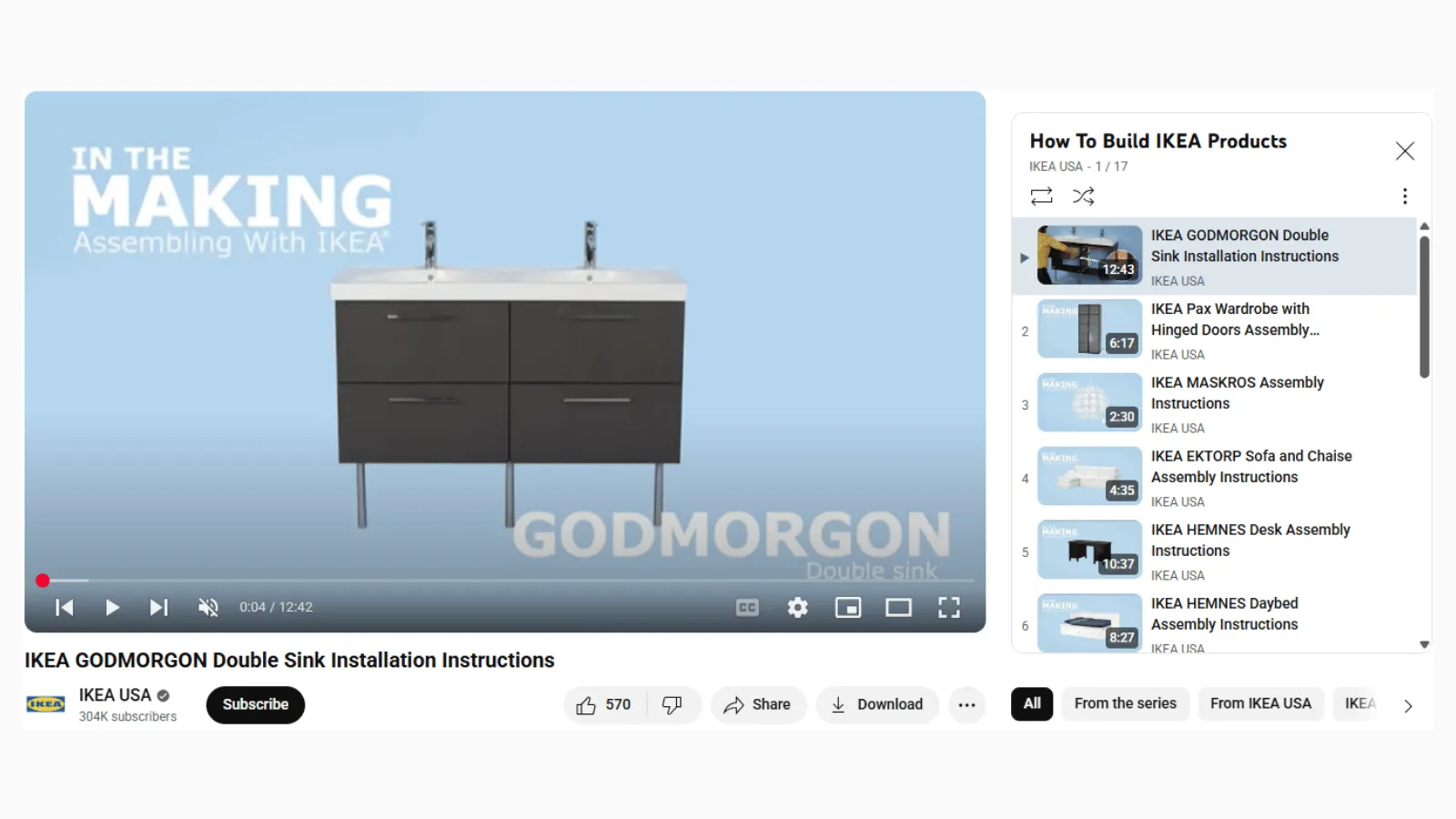
- What IKEA Does: IKEA’s product videos focus on practical tutorials, such as furniture assembly or product usage tips. They break down complex tasks into easy-to-follow steps, reducing customer anxiety.
- What Other Businesses Can Learn: Create how-to videos that educate your customers on using your product effectively. Clear instructions reduce returns and support questions, while boosting buyer confidence.
Dollar Shave Club – Humorous Brand Videos
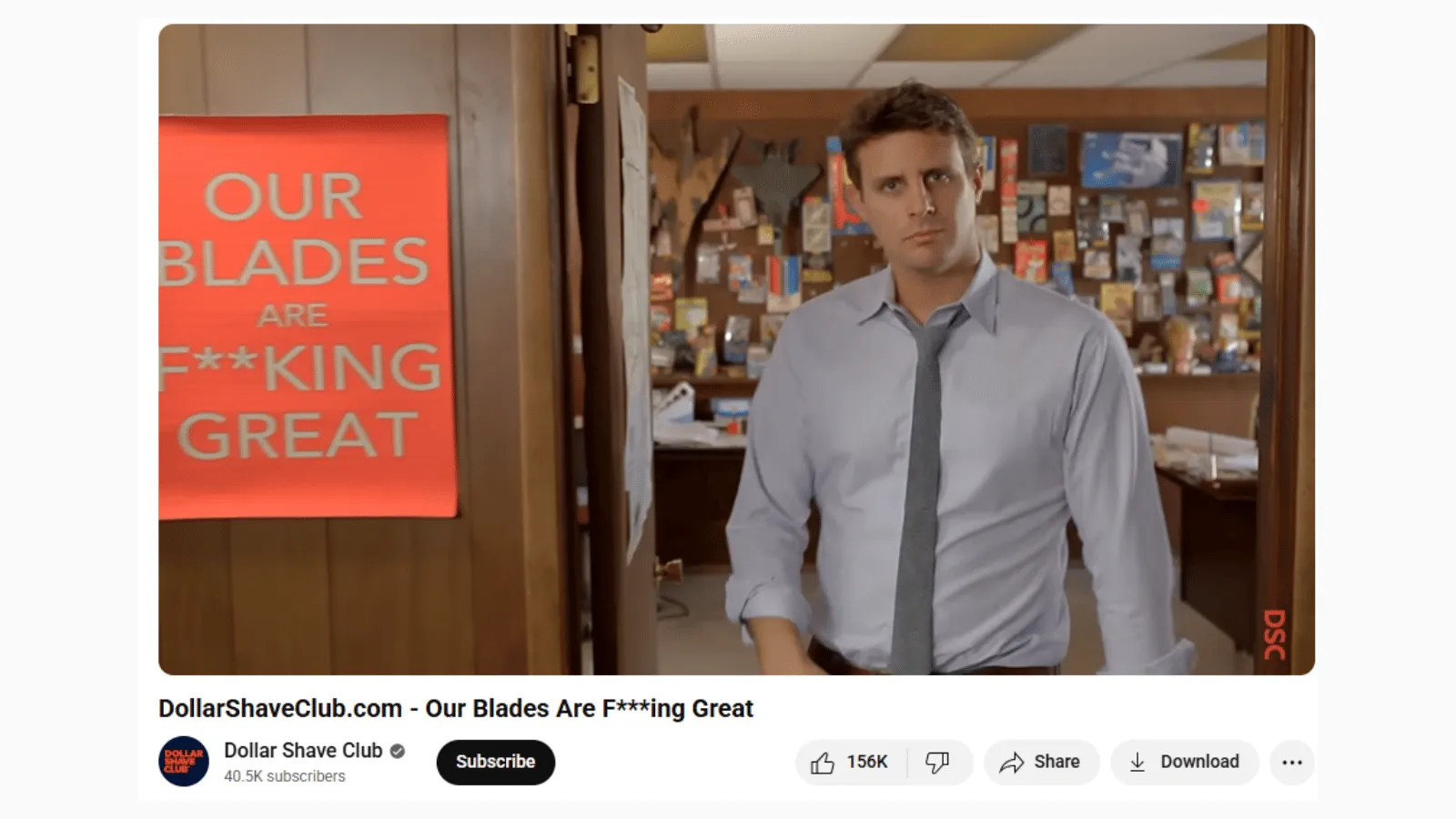
- What Dollar Shave Club Does: Dollar Shave Club gained fame with humorous, quirky videos that grab attention and make the brand memorable. Their videos combine entertainment with clear product benefits.
- What Other Businesses Can Learn:Don’t be afraid to inject personality and humor into your videos. A fun, memorable video can go viral and differentiate your brand, even if your budget is limited.
Key Takeaways
- Focus on Clarity: Whether demonstrating or storytelling, make sure your message is easy to understand within the first few seconds.
- Leverage Authenticity: Use real customers or relatable stories to build trust.
- Keep It Simple: You don’t need high-end production; good lighting, steady shots, and clear audio go a long way.
- Engage Emotionally: Connect your product to your audience’s lifestyle or aspirations.
- Incorporate a Clear Call to Action: Always guide viewers on what to do next, like visiting your website or making a purchase.
Future Trends in Ecommerce Video Marketing
For ecommerce businesses aiming to create the most effective product videos, understanding upcoming trends can provide a valuable edge. These trends offer practical ways to connect with customers, boost engagement, and increase sales through creative and elegant video content.
Interactive and Shoppable Videos
Interactive videos invite viewers to engage directly by clicking on products or links within the video itself. Shoppable videos take this a step further by allowing customers to purchase items instantly, without leaving the video platform.
- Why It’s Valuable: This practical approach streamlines the shopping experience, making it easier and more joyful for customers to buy while watching. For example, small fashion brands can tag products in Instagram Reels or TikTok videos, turning casual viewers into buyers with surprising ease.
- How to Begin: Start with simple shoppable features on social media platforms that support them. Create short, delightful videos showcasing your products with clear calls-to-action that guide viewers to purchase.
Virtual and Augmented Reality Integration
Augmented Reality (AR) overlays digital images onto the real world, such as letting customers virtually try on accessories or see how furniture fits in their home. Virtual Reality (VR) offers immersive experiences like 360-degree product views or virtual store tours.
- Why It’s Useful: These tools provide a precious chance for customers to explore products in a more adventurous and engaging way, reducing uncertainty and returns. For instance, a small home decor shop can offer AR previews so buyers can visualize items in their space before purchasing.
- How to Start: While VR might be extravagant for small budgets, many affordable AR options exist on platforms like Instagram and Snapchat. Experiment with simple AR filters or partner with developers to create practical virtual try-ons.
Personalized Video Content
Personalized videos tailor content to individual customers based on their preferences, past behavior, or demographics. Using AI tools, you can create videos that feel touching and relevant, such as customized product recommendations or tutorials.
- Why It’s Precious: Personalization makes customers feel valued and understood, increasing engagement and the likelihood of purchase. For example, a small fitness brand might send workout videos tailored to each customer’s goals, creating a lasting connection.
- How to Begin: Use accessible AI-powered platforms to create variations of your videos that address specific customer groups. Start with simple personalization like addressing customers by name or highlighting products they’ve shown interest in.
Conclusion
Product videos have become an essential part of ecommerce success, offering a beautiful and practical way to connect with customers. With product pages that include videos converting up to 80% better and shoppers being nearly twice as likely to buy after watching a video, the impact on sales and customer confidence is clear.
If you’re an ecommerce business, starting or improving your product videos today can create lasting benefits-from higher conversions to stronger customer loyalty. Remember, the key is to produce content that is clear, engaging, and tailored to your audience’s needs.
For those looking to craft memorable and effective product videos, partnering with a creative video editing outsource service as Innovature Studio can provide the expertise and support needed to bring your vision to life. Don’t wait to make your product videos a powerful driver of growth-take the next step with Innovature Studio and watch your ecommerce business flourish.
FAQs
What Is an Ecommerce Product Video?
An ecommerce product video is a visual presentation that showcases a product’s features, benefits, and real-life use. It helps customers better understand the product by providing a 360-degree view or demonstration, making online shopping more informative and engaging.
How Do I Make an Effective Ecommerce Product Video?
Start by defining your video’s objective-whether to educate, inspire, or convert. Plan your script and storyboard to highlight key product benefits clearly. Use good lighting, clear audio, and varied shots during filming. Finally, edit the video to keep it concise, add branding elements, and include captions for accessibility.
Does Amazon Use Product Videos on Their Listings?
Yes, Amazon features product videos on many listings to help shoppers see products in action. These videos improve customer understanding and confidence, which often leads to higher conversion rates and fewer returns.