
Static content is a thing of the past; in 2026, the digital landscape moves at the speed of a scroll. As attention spans continue to compress, the burden of engagement falls squarely on the shoulders of the editor. It is no longer enough to simply “cut” footage. Modern audiences demand an experience that feels alive, tactile, and highly responsive to their presence.
Whether you are a creator looking to dominate social feeds or a brand aiming to elevate your commercial presence, staying ahead of visual shifts is a practical necessity. The following five outsource video editing trends define high-performing video content this year, blending technical precision with psychological triggers to keep viewers watching until the very last frame.
Trend 1: The “Dopamine-Hit” Editing
The phrase “dopamine-hit” refers to a specific style of high-retention editing designed to provide constant visual and auditory stimuli. This technique ensures that the viewer never finds a natural “exit point” to scroll away. It is a surprising yet highly effective way to keep engagement metrics soaring.
Micro-Zoom & Frame Resizing
Traditional wide shots can feel stagnant on a smartphone screen. In 2026, editors use micro-zooms, like subtle, rapid pulses in the frame, to emphasize specific words or emotional beats. By constantly shifting the scale of the subject, the editor mimics the natural movement of human eyes, making the video feel energetic and adventurous.
Professional video editing services now use automated AI tracking to keep zooms centered on the subject’s face, preventing the jarring “shaky cam” effect while maintaining a high-octane pace.
>> Read more: How to Use AI Tools for Efficient Video Editing
Dynamic Text Overlays & Progress Bars
Static captions are a relic of the previous decade. Current trends favor dynamic text that “pops” or “shakes” in synchronization with the speaker’s voice. These overlays often feature bright, joyful colors and bold typography that serves as a visual anchor.
Furthermore, the inclusion of a progress bar at the bottom or side of the video provides a psychological reward for the viewer. Seeing the bar move toward completion triggers a satisfying sense of progress, encouraging them to stay for those final few seconds.
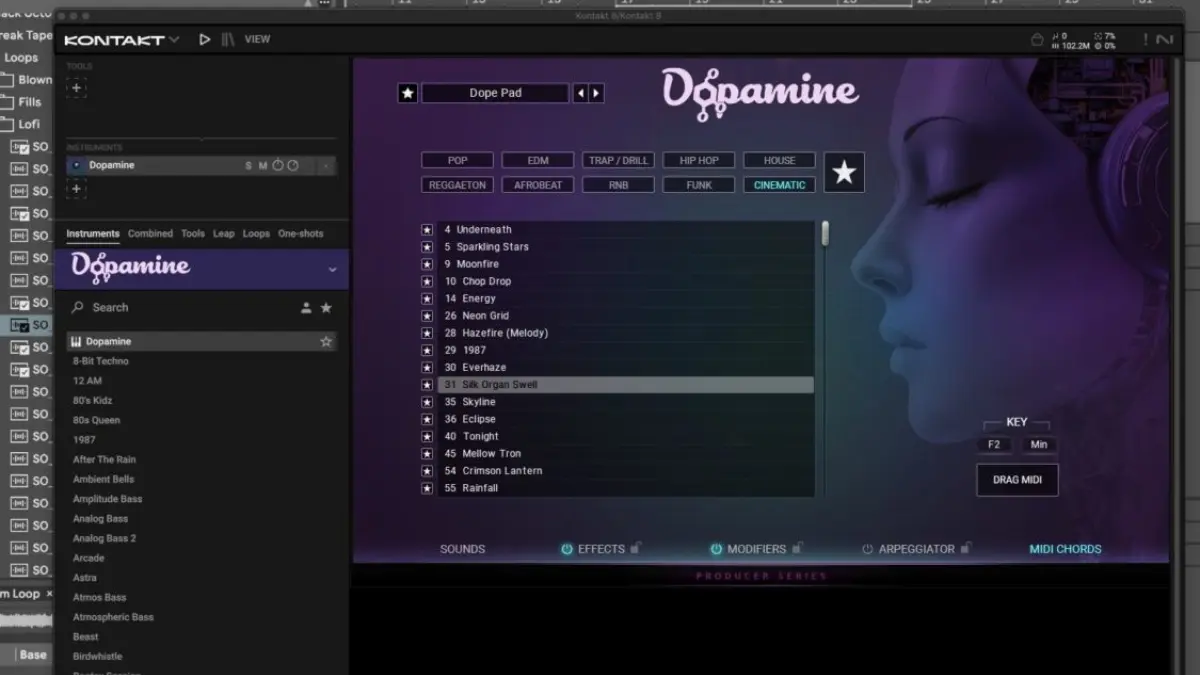
The “Dopamine-Hit” Editing refers to a specific style of outsource video editing
Trend 2: Mixed-Media “Collage” Storytelling
The “Imperfect by Design” movement reached its peak in 2026. Audiences have grown weary of hyper-polished, plastic-looking renders. Instead, they crave a simple, human touch that feels like it was crafted by hand. This trend merges digital high-definition footage with analog textures.
Paper-Texture Transitions and Overlays
One of the most beautiful ways to transition between scenes today is the “paper rip” or “stop-motion” effect. By layering textures of scanned construction paper, cardboard, or parchment over digital footage, editors create a precious and tactile aesthetic. It breaks the “fourth wall” of the screen, making the digital experience feel more valuable and grounded.
Scribble Animations & Doodle Art
Hand-drawn “scribble” animations that dance around the subject are a staple for high-engagement content. These whimsical additions can highlight a product’s features or simply add a layer of creative flair to a talking-head video. When these animations are frame-by-frame and slightly jittery, they provide a delightful contrast to the smooth, high-resolution cameras we use today.
>> Read more: Mastering Short-form Video Editing to Attract the Most Views
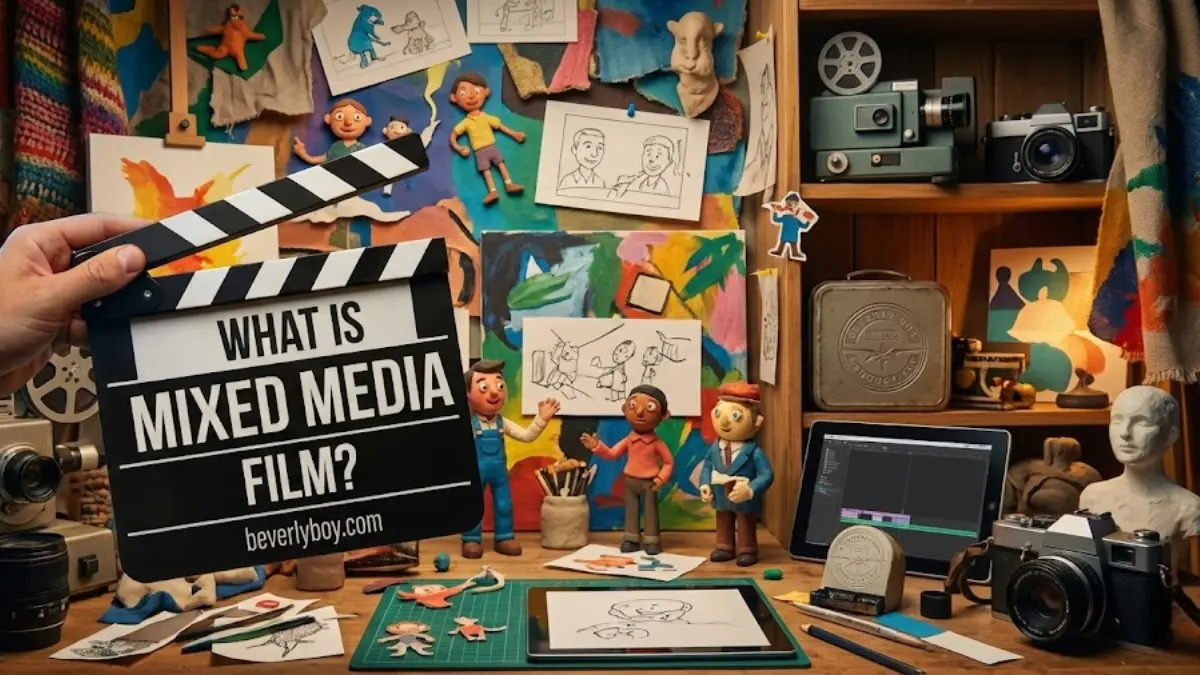
Mixed-Media “Collage” Storytelling
Trend 3: First-Person “POV” Cinematic Immersion
With the rise of spatial computing and advanced mobile camera stabilization, the “Point of View” (POV) style has evolved from a shaky vlog technique into a timeless cinematic standard. It places the viewer directly into the shoes of the creator, making the narrative feel thrilling and personal.
Seamless “Invisible” Transitions
The magic of modern POV editing lies in the “invisible” transition. Editors use whip-pans, object masks, or “pass-through” shots to move from one location to another without a visible cut. For instance, a camera might follow a hand as it reaches for a door handle, and as the hand touches the metal, the background seamlessly shifts to a completely different city. These unexpected movements keep the viewer in a state of wonder, wondering how the “magic trick” was performed.
Soundscapes for POV Realism
Visuals only tell half the story. High-end post-production services in 2026 focus heavily on spatial audio. If the POV character turns their head to the left, the sound of a passing car should shift to the right ear. Using uplifting ambient noise, Foley (like the crunch of gravel or the rustle of a jacket) and binaural recording techniques creates an enchanting layer of realism that traditional stereo audio cannot match.
>> Read more: Choosing the Best Video Editing Software for Vloggers
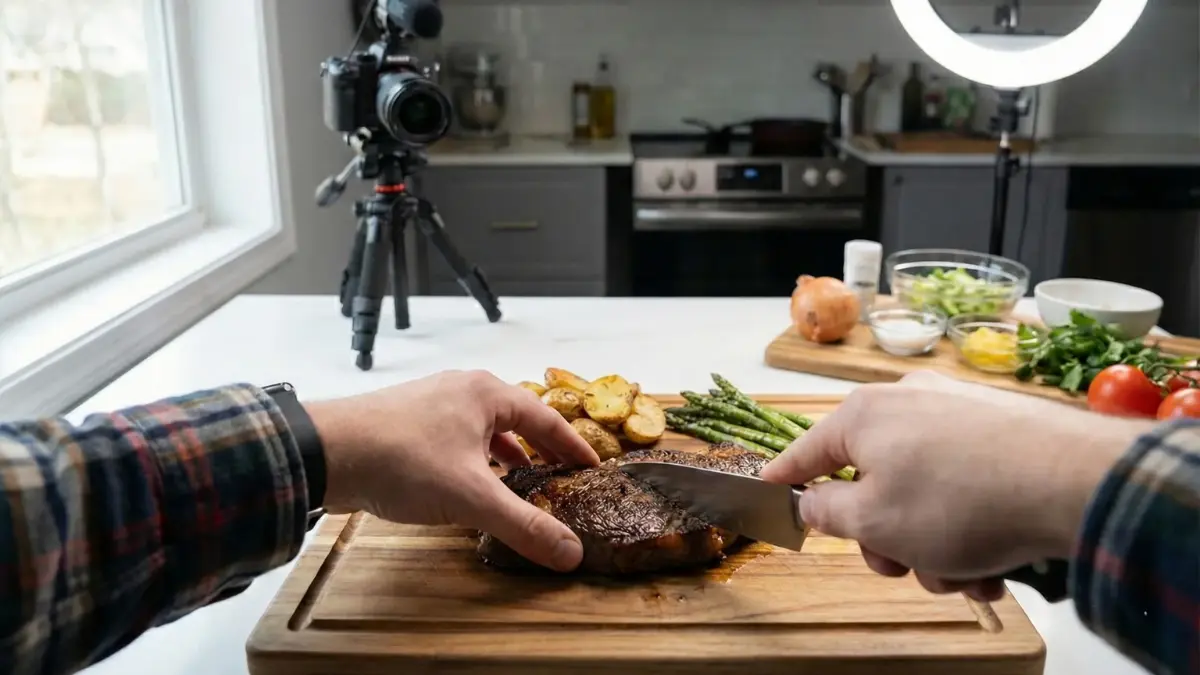
The “Point of View” (POV) style has evolved significantly
Trend 4: The “Lo-Fi” Nostalgia & Film Aesthetics
In an age of 8K resolution, there is a sentimental longing for the imperfections of the past. The “Lo-Fi” aesthetic is a delightful rejection of digital perfection, favoring the warm, fuzzy feelings associated with film and early television.
Digital Grain and Halation Effects
Professional editors now spend hours adding “flaws” back into the footage. This includes digital grain that mimics 16mm or 35mm film stock and “halation”, that beautiful red glow that appears around bright light sources in analog film. These effects make the content feel memorable and cherished, like an old home movie, which builds an instant emotional bridge with the audience.
Retro UI & Desktop Interfaces
A surprising sub-trend for 2026 is the use of “computer-core” aesthetics. This involves framing the video within a simulated 1990s desktop interface, complete with pixelated icons, pop-up windows, and retro cursor movements. It is a humble yet inspiring way to present information, especially for tech reviews or educational content that aims to tap into Gen Z and Millennial nostalgia.
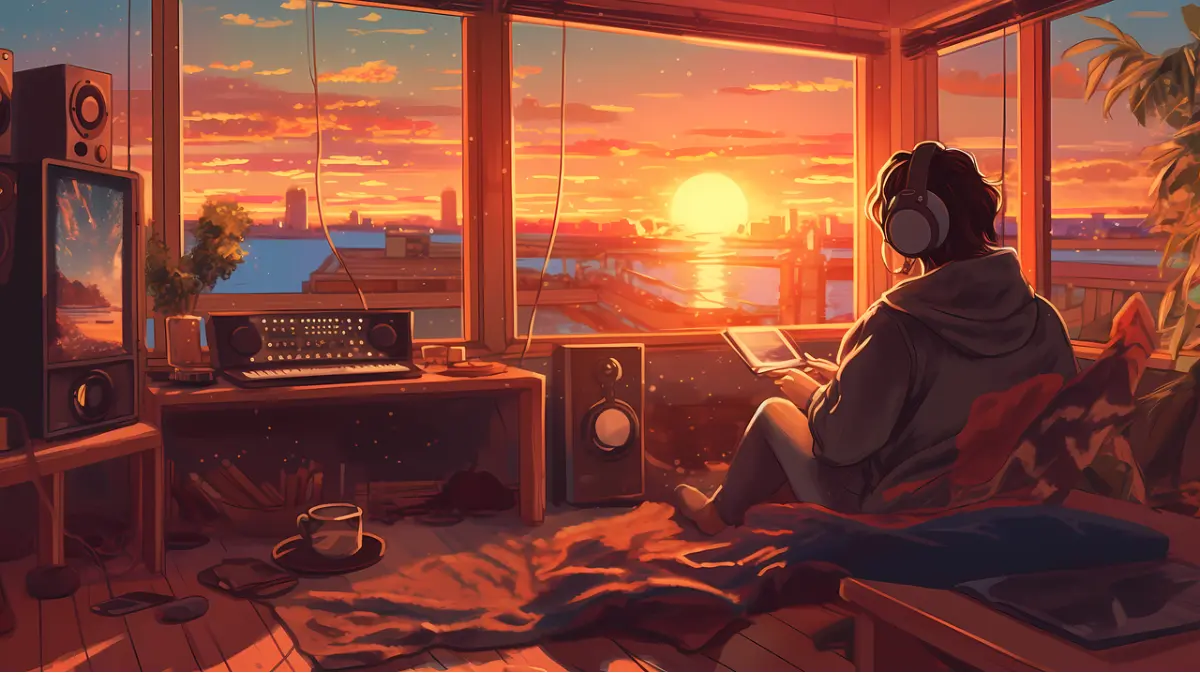
The “Lo-Fi” aesthetic is a delightful rejection of digital perfection
Trend 5: “Data-Visual” Storytelling (The Vox Style)
For long-form content or complex explanations, the “Vox-style” of editing remains the gold standard. This trend prioritizes clarity through useful and elegant motion graphics, turning dry statistics into a valuable visual journey.
Motion Graphics for Complex Data
Instead of showing a static chart, 2026 editors use dynamic, 3D data visualizations. Bar graphs rise out of the ground, and line charts weave through the air. This extravagant use of motion graphics ensures that the viewer understands the “why” behind the numbers without getting bored. It is a practical way to establish authority and trust.
Map Animations and 3D Camera Tracking
Geography-based storytelling has become a lasting favorite. Using high-resolution satellite imagery combined with 3D camera tracking, editors can “fly” the viewer across a map to show the scale of a global event. This adventurous perspective makes the information feel grand and cinematic, elevating a simple news report into a high-production documentary.
>> Read more: 10 Storytelling Tips for Marketing Video You Need Right Now
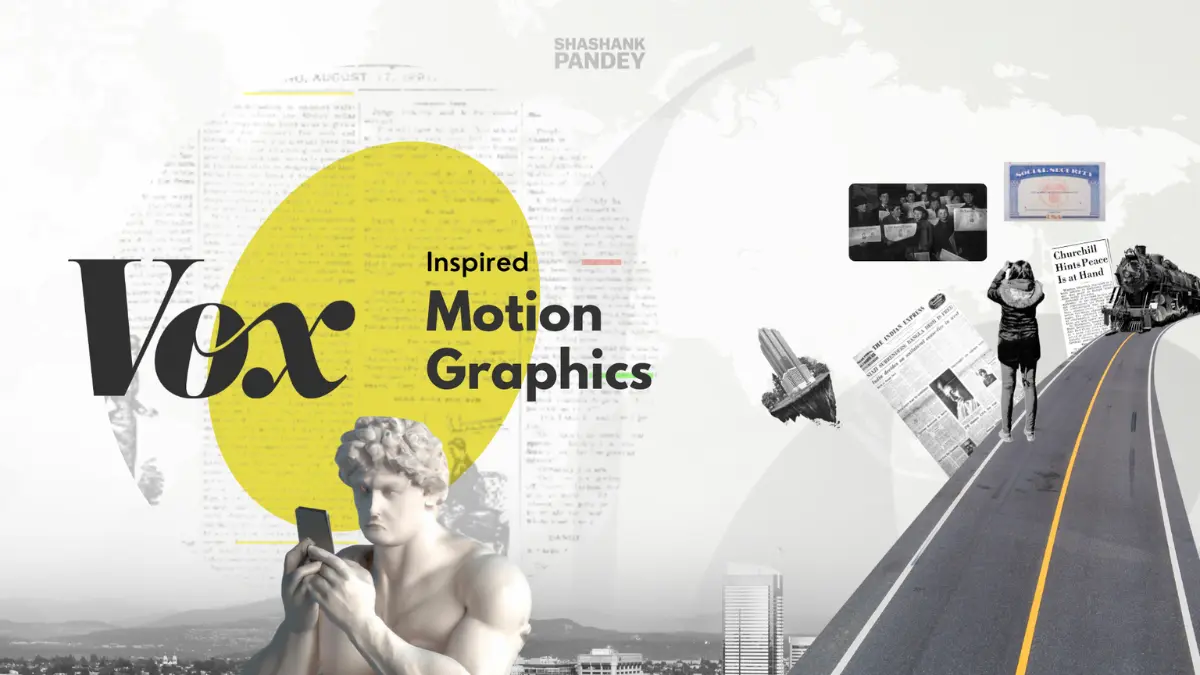
The “Vox-style” of editing prioritizes clarity through useful and elegant motion graphics
Why You Should Outsource Video Editing to Scale in 2026
Keeping up with these rapidly evolving trends is a thrilling challenge, but it is also a time-consuming one. If you find yourself spending more time in the editing suite than on the creative floor, it may be time to outsource video editing.
Access to Specialized Software and Talent
The high-end effects mentioned above, such as 3D camera tracking, spatial audio design, and custom scribble animations, require expensive software and years of training. By hiring professional video editing services, you gain access to a generous pool of global talent that specializes in these niche areas. This ensures your content remains elegant and competitive without you having to learn every new plugin that hits the market.
Faster Turnaround Times for Daily Content
In 2026, the algorithm favors those who post frequently and consistently. Managing a daily upload schedule while maintaining high production value is almost impossible for a solo creator or a small in-house team.
Outsourcing your post-production services allows you to operate on a “follow-the-sun” model. You can shoot footage during the day and send it to an editor in a different time zone. By the time you wake up, a polished, simple, and ready-to-post video is waiting in your inbox. This practical workflow is the secret behind the world’s fastest-growing brands.
Conclusion
The landscape of video is constantly shifting, but the core goal remains the same: to tell a touching story that resonates with a human being on the other side of the screen. By integrating these five trends, from the high-energy “dopamine” cuts to the sentimental lo-fi textures, you can ensure your content doesn’t just get views but builds a lasting connection.
The future of video is not just about what we see, but how it makes us feel. Are you ready to make your next project surprising? Contact us now.