

This comprehensive guide serves as a roadmap for unlocking the full potential of portrait photography. Whether you’re a beginner looking to take your first steps in portraiture or an experienced professional seeking to refine your craft, this article offers a wealth of practical tips, creative insights, and expert advice to help you create stunning portraits that leave a lasting impression.
What Is Portrait Photography?
Portrait photography is a multifaceted art form that goes beyond simply snapping a picture of a person’s face. It delves into the intricate nuances of human expression, character, and emotion. A successful portrait not only freezes a moment in time but also reveals something deeper about the subject’s inner self. It involves a delicate interplay of various elements such as lighting, composition, and posing to convey the subject’s unique personality and essence.
Posing is an art form in itself, requiring both technical expertise and a keen understanding of human anatomy and psychology. A well-executed pose can accentuate the subject’s best features while minimizing any perceived flaws. It can also convey a sense of confidence, vulnerability, or intimacy, depending on the desired outcome of the portrait.
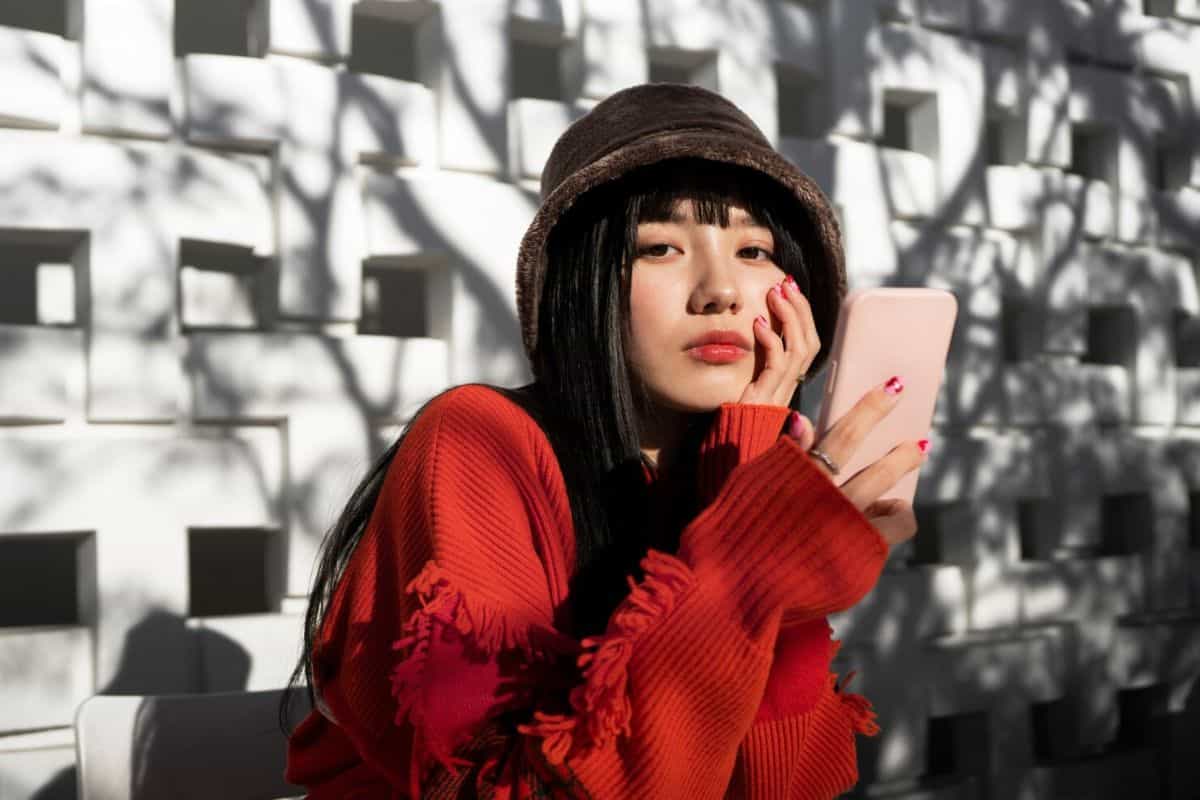
Portrait Photography is about capturing the essence of the individual – their personality, identity, and unique spirit – in a single frame. It’s a collaborative process between the photographer and the subject, where trust and rapport are essential for bringing out the best in each other. Whether it’s a candid snapshot or a meticulously planned composition, a great portrait has the power to transcend time and speak volumes about the human experience.
Why Is Portrait Photography Important?
Portrait Photography holds significance on various levels, contributing to both personal and collective narratives. Historically, Portrait Photography has played a crucial role in preserving the visual record of individuals, families, and communities, offering insights into different eras, cultures, and societal norms. These images serve as valuable historical documents, providing future generations with glimpses into the past and fostering a sense of continuity and identity.
On a personal level, Portrait Photography serves as a tool for self-expression and storytelling. It allows individuals to present themselves to the world in a way that reflects their personality, aspirations, and relationships. Whether it’s a professional headshot for a LinkedIn profile, a family portrait to commemorate a milestone, or a creative self-portrait exploring one’s inner world, these images shape how we perceive ourselves and how others perceive us.
Furthermore, Portrait Photography plays a pivotal role in personal branding and professional identity. In an increasingly digital world, where first impressions are often made online, a well-crafted portrait can make a significant impact. It conveys professionalism, approachability, and authenticity, helping individuals establish credibility and forge meaningful connections in their professional endeavors.
Beyond documentation and personal branding, Portrait Photography holds intrinsic value as a form of artistic expression. Photographers employ various techniques and styles to capture the essence of their subjects, creating images that evoke emotion, provoke thought, and challenge perceptions. Whether it’s a classic black-and-white portrait, a contemporary conceptual piece, or a candid street portrait, these images have the power to transcend boundaries and foster empathy and understanding across diverse cultures and experiences.
In essence, Portrait Photography serves as a visual language through which we communicate our stories, identities, and emotions. It connects us with our past, shapes our present, and influences our future, reminding us of our shared humanity and the beauty of individuality.
Types of Portrait Photography
Traditional Portraits
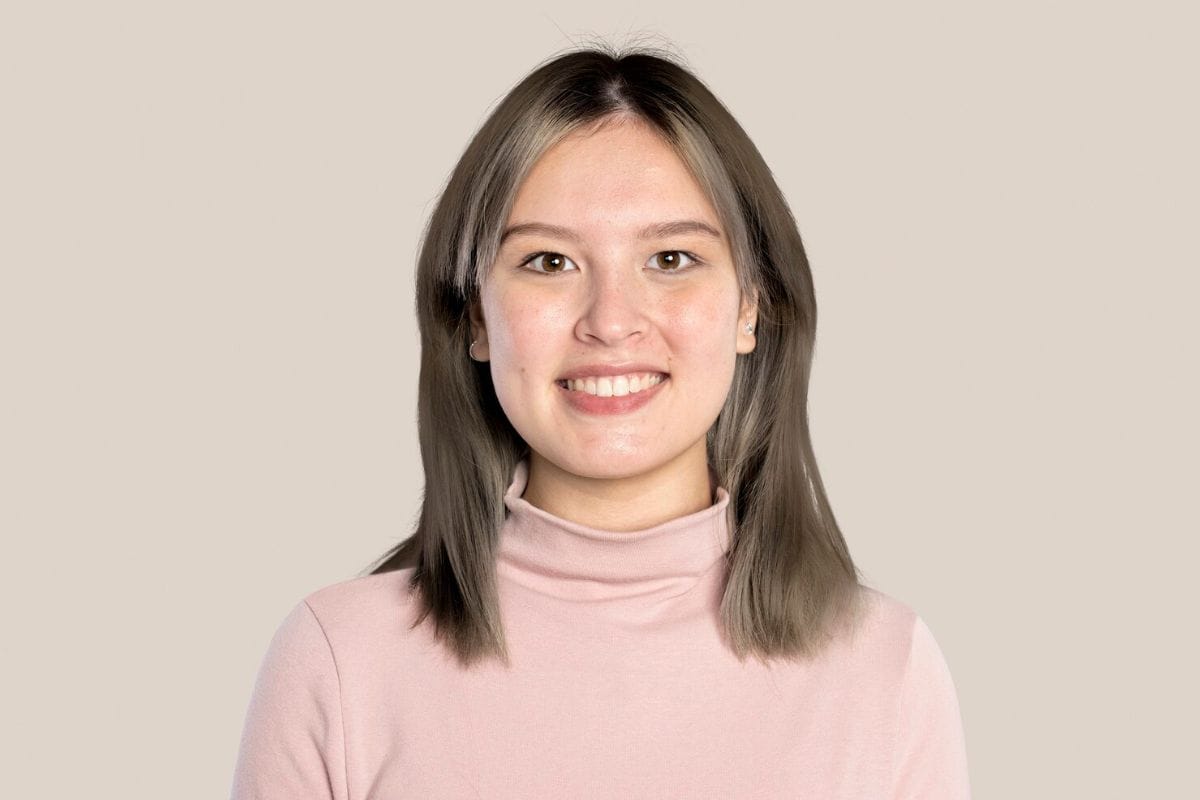
Traditional portraits hold a timeless appeal, characterized by the subject’s direct gaze into the camera and a carefully composed pose. These portraits typically emanate a sense of formality and dignity, as the subject presents themselves with poise and composure. Shot within the controlled environment of a studio, traditional portraits benefit from the use of studio lighting, which allows for precise control over illumination and shadow. Additionally, a prepared background helps to frame the subject and create a sense of context or atmosphere.
The framing of traditional portraits often focuses on the head and shoulders, drawing attention to the subject’s facial expressions, features, and subtle nuances. This close-up composition allows viewers to engage with the subject on an intimate level, capturing the essence of their personality and character. As a result, traditional portraits are often cherished as cherished keepsakes, commemorating special moments, milestones, or relationships.
Lifestyle Portraits
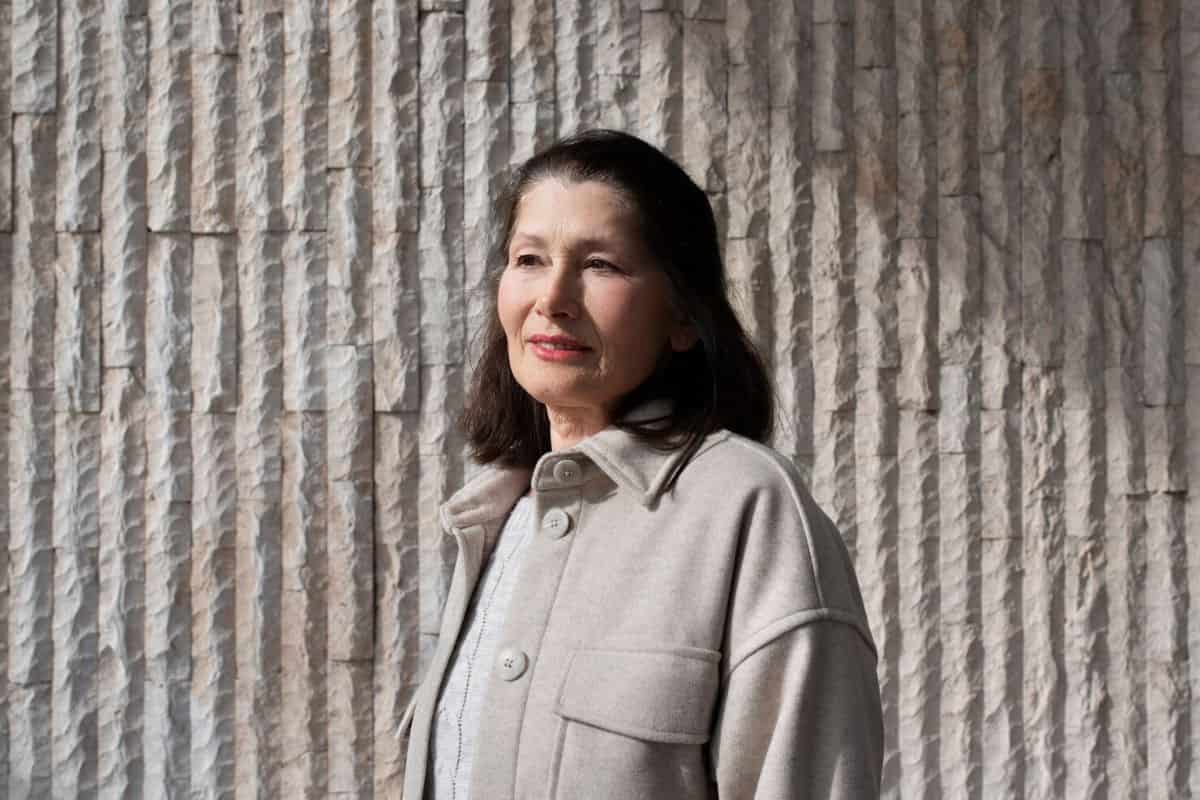
Lifestyle portraits offer a refreshing departure from the formality of traditional portraits by capturing individuals in their natural habitats and daily routines. Unlike staged poses in a studio setting, lifestyle portraits aim to authentically portray subjects in familiar surroundings, whether it be their home, workplace, or favorite outdoor spot. The goal is to capture genuine moments and expressions that reflect the subject’s personality, interests, and lifestyle.
A skilled lifestyle portrait photographer adopts a more hands-off approach, preferring to observe and document rather than orchestrate artificial poses. Instead of rigidly posing subjects, they may provide subtle guidance or prompts to elicit spontaneous reactions and interactions. This approach allows for the creation of candid and dynamic portraits that feel authentic and relatable.
By immersing subjects in their natural environment, lifestyle portraits offer viewers a glimpse into their world and provide context for their personalities and interests. Whether it’s a parent playing with their children in the backyard, an artist at work in their studio, or a couple enjoying a leisurely stroll through the city streets, these portraits tell a story about who the subjects are and what they value.
Environmental Portraits

Environmental portraits offer a captivating blend of subject and surroundings, where the environment itself becomes an integral part of the narrative. Unlike traditional studio portraits or candid lifestyle shots, environmental portraits place equal emphasis on both the subject and their surroundings, highlighting the relationship between the two.
The key characteristic of environmental portraits is that they are captured within a location or setting that holds significance for the subject. Whether it’s their home, workplace, favorite coffee shop, or a picturesque outdoor landscape, the environment serves as a backdrop that adds depth and context to the portrait. By incorporating meaningful locations, environmental portraits provide insights into the subject’s personality, interests, and lifestyle.
While environmental portraits share similarities with lifestyle portraits in their focus on authenticity and context, they often involve more deliberate posing and composition. Rather than capturing spontaneous moments, photographers may carefully position the subject within the environment to create visually compelling compositions. However, the posing in environmental portraits tends to be more natural and unobtrusive compared to traditional studio portraits.
The artistry of environmental portraits lies in the photographer’s ability to balance the elements of the scene, including lighting, composition, and the subject’s presence, to create a harmonious and evocative image. By integrating the subject with their surroundings, environmental portraits tell a richer and more nuanced story, offering viewers a deeper understanding of who the subject is and what they value.
See more» Guide to Environmental Portrait Photography
Group Portraits
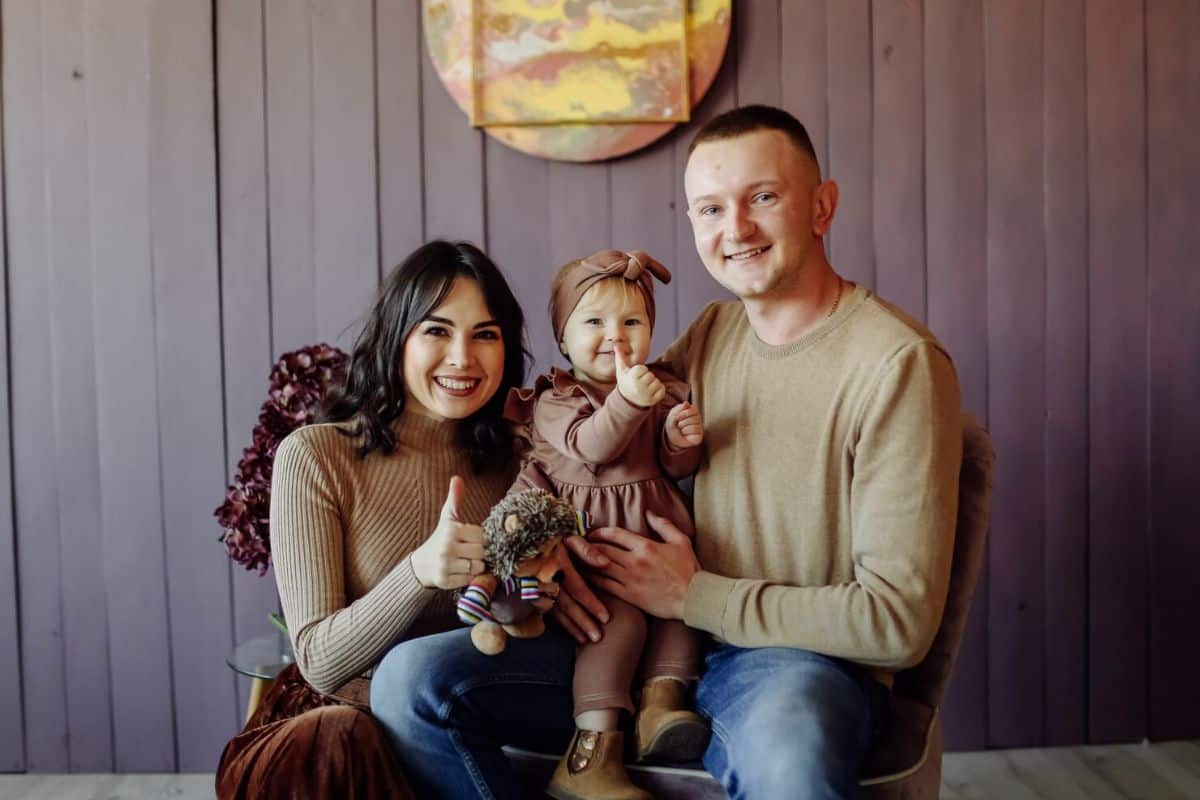
Family and group portraits are cherished mementos that capture the bonds, dynamics, and shared experiences of multiple individuals in a single frame. Unlike individual portraits, which focus on a single subject, family and group portraits celebrate the relationships and connections between family members, friends, or colleagues.
One of the defining features of family and group portraits is the inclusion of multiple people, ranging from small family units to large extended families or organized groups. These portraits offer a glimpse into the collective identity and unity of the group, highlighting the unique personalities, interactions, and dynamics among its members.
To create authentic and engaging group portraits, photographers often employ a combination of group poses, interactions, and prompts. Group poses help to establish a cohesive composition, ensuring that all members are well-positioned within the frame and visible to the camera. Meanwhile, interactions between group members add depth and warmth to the portrait, capturing genuine moments of laughter, affection, or playfulness.
In addition to traditional poses, many family and group portrait photographers incorporate prompts or scenarios to encourage natural and spontaneous interactions among the subjects. Whether it’s asking family members to share a joke, embrace one another, or engage in a favorite activity together, these prompts help to evoke genuine emotions and expressions, resulting in candid and heartfelt portraits.
Furthermore, family and group portraits hold immense sentimental value, serving as visual records of shared memories, milestones, and traditions. From annual holiday gatherings to milestone celebrations such as weddings, graduations, or reunions, these portraits document the evolution of relationships and the passage of time.
Street Portraits
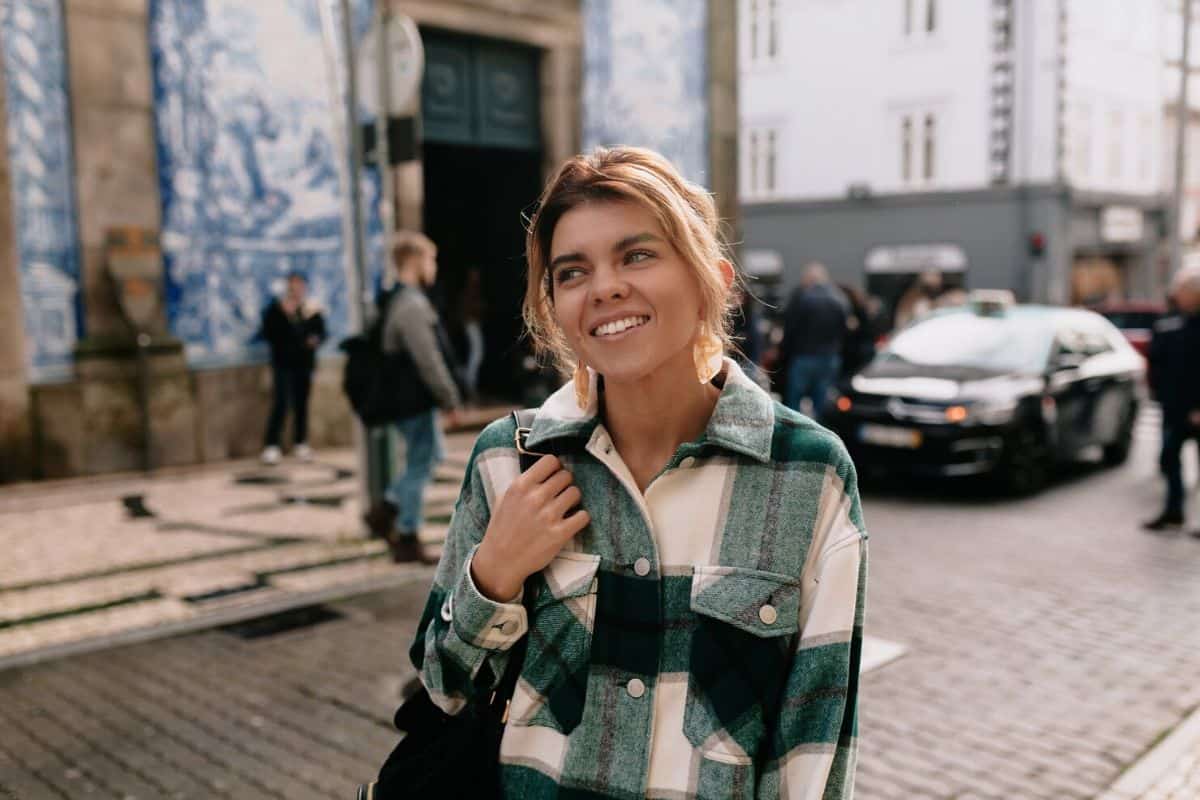
Street portraits offer a raw and unfiltered glimpse into the lives and personalities of strangers encountered in public spaces. Unlike staged studio portraits or meticulously planned shoots, street portraits are spontaneous and unplanned, capturing subjects in their natural environment and element.
The essence of street portraits lies in their candidness and authenticity. Photographers roam the streets, observing the hustle and bustle of urban life, searching for interesting characters, expressions, and moments that catch their eye. Rather than directing or posing their subjects, street photographers rely on quick reflexes and keen observation to capture fleeting moments of humanity.
While there may be some level of planning or intentionality in choosing locations or seeking out interesting subjects, the beauty of street portraits lies in their unpredictability. Subjects may be caught in the midst of everyday activities – chatting with friends, lost in thought, or absorbed in their surroundings – offering a genuine and unguarded glimpse into their lives.
In contrast to studio portraits, which often involve controlled lighting and posing, street portraits embrace the spontaneity and imperfections of real life. Natural light, dynamic compositions, and the energy of the streets contribute to the authenticity and vitality of these portraits, creating images that resonate with viewers on a visceral level.
Street portraits not only capture the diversity and vibrancy of urban life but also serve as a form of visual storytelling. Each portrait tells a unique narrative, reflecting the social, cultural, and emotional landscape of the city and its inhabitants. Whether it’s a portrait of a street musician, a vendor at a market, or a passerby lost in thought, these images offer a window into the human experience and invite viewers to connect with the world around them.
Beauty Portraits

Beauty portraits, also known as glamour portraits, are a celebration of the subject’s beauty and allure, often characterized by meticulous attention to detail and a focus on enhancing the subject’s features through makeup, wardrobe, and lighting.
One of the defining features of beauty portraits is the emphasis on aesthetics and elegance. Photographers work closely with makeup artists, stylists, and wardrobe specialists to create a polished and glamorous look that accentuates the subject’s best features. From flawless skin and sculpted brows to striking hairstyles and glamorous attire, every aspect of the portrait is carefully curated to evoke a sense of luxury and sophistication.
In addition to professional grooming and styling, beauty portraits often involve the use of specialized lighting techniques to enhance the subject’s complexion and create a soft, flattering glow. Whether it’s diffused natural light for a soft, ethereal look or dramatic studio lighting for a bold and glamorous effect, the goal is to highlight the subject’s beauty while minimizing any perceived flaws.
Posing also plays a crucial role in beauty portraits, with photographers guiding the subject through a series of poses and expressions designed to showcase their beauty and confidence. From classic headshots to more dynamic and expressive poses, the goal is to capture the subject in their most flattering light, exuding poise and allure.
While beauty portraits may appear effortless and natural, they often require careful planning and preparation behind the scenes. From selecting the perfect wardrobe and makeup looks to coordinating with hair and styling professionals, every aspect of the portrait session is thoughtfully considered to achieve the desired aesthetic.
Fine Art Portraits

Fine art portraits occupy a unique and debated position within the realm of Portrait Photography, blurring the lines between photography and traditional art forms such as painting and sculpture. While some argue that fine art portraits constitute a distinct subgenre of portrait photography, others view them as a more fluid and interdisciplinary practice that draws inspiration from various artistic traditions.
One of the defining characteristics of fine art portraits is their emphasis on creativity and artistic expression. Rather than simply capturing a likeness of the subject, fine art portrait photographers seek to imbue their images with a sense of depth, emotion, and narrative. Drawing inspiration from diverse sources such as literature, mythology, and art history, these photographers employ a wide range of techniques and styles to create visually compelling and conceptually rich portraits.
Unlike traditional Portrait Photography, which often focuses on capturing realistic representations of the subject, fine art portraits allow photographers greater freedom to explore their creative ideas and experiment with composition, lighting, and post-processing techniques. From surreal and abstract interpretations to moody and evocative compositions, fine art portraits push the boundaries of conventional photography, inviting viewers to engage with the image on a deeper, more contemplative level.
Many fine art portrait photographers draw inspiration from other art forms, such as painting, drawing, and sculpture, seeking to emulate the aesthetic qualities and emotional resonance found in these mediums. By incorporating elements of composition, color, and texture borrowed from the world of fine art, these photographers elevate their portraits beyond mere documentation, transforming them into powerful works of visual storytelling and artistic expression.
Gear for Portrait Photography
Choosing the right lens and ensuring sharp focus on the subject’s eyes are fundamental aspects of creating compelling Portrait Photography. By selecting the appropriate lens and mastering focus techniques, photographers can emphasize their subject and achieve stunning results that captivate viewers.
- Wide aperture lenses: When it comes to Portrait Photography, the choice of lens can significantly impact the final outcome of the image. Wide aperture lenses, such as an 85mm lens, are favored by many photographers for portraiture due to their ability to produce a shallow depth of field and create a beautifully blurred background. This helps to keep the focus on the subject while minimizing distractions from the background elements.
- Longer focal length lenses: For even greater emphasis on the subject and a more flattering perspective, longer focal length lenses, such as a 200mm lens, can be used. These telephoto lenses allow photographers to shoot from a distance while still achieving a shallow depth of field and pleasing background blur. Additionally, the compression effect of telephoto lenses can subtly enhance facial features and create a flattering, distortion-free portrait.
- Wide-angle lenses: Conversely, shorter focal length lenses, particularly wide-angle lenses with focal lengths below 30mm, can distort facial features and proportions when used too close to the subject. While wide-angle lenses can be creatively used for certain portrait styles, such as environmental portraits, they are generally less flattering for traditional close-up portraits.
Regardless of the lens choice, achieving sharp focus on the subject’s eyes is paramount in Portrait Photography. The eyes are often considered the focal point of the image, and ensuring they are sharply in focus helps to draw the viewer’s attention and convey emotion and connection. By selecting the appropriate focal point and using a wide aperture to create a soft background, photographers can create portraits with a professional and artistic aesthetic that highlights the beauty and personality of the subject.
Tips to Improve Your Portrait Photography
Spotlighting the Subject
In the realm of Portrait Photography, the subject takes center stage, serving as the focal point around which the entire creative process revolves. Establishing a rapport with the subject is not only essential but also foundational for capturing authentic and compelling portraits.
Prior to the photoshoot, investing time in building a connection with the subject can make a significant difference in the outcome of the session. Whether through in-person meetings, phone calls, or email exchanges, taking the initiative to get to know the subject on a personal level helps foster trust and comfort. This allows the subject to feel more at ease in front of the camera, leading to more natural and genuine expressions.
During these interactions, it’s crucial to discuss the vision and goals for the photoshoot openly. This includes sharing your artistic style, preferences, and expectations while also listening to the subject’s input and desires. By involving the subject in the creative process and considering their preferences and abilities, you create a collaborative environment that empowers them to actively participate in shaping the final outcome.
Furthermore, maintaining open communication throughout the photoshoot is essential for ensuring a positive and productive experience for both the photographer and the subject. Encouraging dialogue, offering guidance, and providing reassurance can help alleviate any nerves or self-consciousness the subject may feel. This fosters a sense of trust and collaboration, allowing for more authentic and emotive portraits to emerge.
Locating the Ideal Spot
Selecting the right location for a portrait shoot is a critical decision that significantly impacts the final outcome of the images. Whether opting for an outdoor or indoor setting, each location presents its own set of advantages and challenges, requiring careful consideration and planning.
Outdoor locations offer a wealth of natural beauty and visual interest, providing a diverse range of backdrops and lighting conditions to work with. However, shooting outdoors also entails navigating variables such as weather, time of day, and changing environmental conditions. To mitigate these challenges, photographers often opt for shooting during the golden hours of early morning or late afternoon when the sunlight is softer and more diffused, resulting in flattering, warm tones and gentle shadows. Additionally, choosing shaded areas or utilizing reflectors or diffusers can help control harsh lighting and minimize unflattering shadows on the subject’s face.
Conversely, indoor locations offer greater control over lighting and environmental variables, making them a popular choice for portrait shoots. Whether utilizing natural light streaming through windows or setting up artificial lighting equipment, photographers can tailor the lighting setup to complement the mood, attire, and desired aesthetic of the shoot. Additionally, indoor locations provide shelter from unpredictable weather conditions, ensuring a more consistent shooting environment.
Regardless of the chosen location, careful consideration should be given to factors such as the overall atmosphere, suitability of the backdrop, and accessibility for both the photographer and the subject. By selecting a location that aligns with the desired aesthetic and logistical requirements of the shoot, photographers can set the stage for capturing stunning and impactful portraits that resonate with viewers.
Getting the Pose Right

Achieving the perfect pose in Portrait Photography involves a delicate balance of creativity, technique, and intuition. Each subject is unique, requiring thoughtful consideration of their physique, personality, and desired aesthetic to capture them in the most flattering and authentic way possible.
Experimentation is key when exploring portrait poses, as what works for one subject may not necessarily work for another. Photographers often encourage their subjects to try out different poses, angles, and expressions to discover what feels most comfortable and natural. This process involves a collaborative effort between the photographer and the subject, with open communication and feedback guiding the direction of the shoot.
In addition to posing, photographers must also consider factors such as lighting, camera angle, and background composition to enhance the overall visual impact of the portrait. By carefully orchestrating these elements in harmony with the chosen pose, photographers can create compelling and dynamic images that captivate viewers and evoke emotion.
Even after finding the right pose, photographers often make subtle adjustments throughout the shoot to fine-tune the composition and ensure every shot is perfect. Whether it’s tweaking the angle of the subject’s head, adjusting the placement of their hands, or refining their posture, these minor changes can make a significant difference in the final outcome of the image.
Capturing Candid Portrait Photos
Capturing candid portrait photos offers a refreshing alternative to posed photography, allowing for genuine and spontaneous moments to unfold naturally. This approach is particularly effective for subjects who may feel uncomfortable or unnatural when posed, such as children or individuals who prefer a more relaxed and authentic style of photography.
The key to capturing compelling candid portraits lies in creating a comfortable and relaxed atmosphere that encourages subjects to be themselves. Rather than directing poses or orchestrating specific actions, photographers aim to observe and document the subject’s natural behaviors and interactions. This can involve capturing fleeting expressions, spontaneous gestures, or unguarded moments of emotion, resulting in images that feel authentic and true to life.
To achieve successful candid portraits, photographers often adopt a documentary or photojournalistic approach, allowing the narrative of the moment to unfold organically. This may involve immersing themselves in the subject’s environment, whether it be a family gathering, a casual outing, or a leisurely day at home. By blending into the background and being unobtrusive, photographers can capture candid moments without disrupting the flow of the scene.
Furthermore, building rapport and establishing trust with the subjects is essential for capturing genuine candid portraits. By developing a relationship based on mutual respect and understanding, photographers can create a comfortable and relaxed atmosphere that encourages subjects to let their guard down and express themselves authentically.
In the realm of child Portrait Photography, in particular, candid shots often yield the most memorable and cherished images. Children are inherently spontaneous and full of energy, making it challenging to capture their true essence through posed photography alone. By allowing children to engage in their usual activities and play freely, photographers can capture the joy, innocence, and wonder of childhood in its purest form.
Mastering Camera Operation

Mastering the technical aspects of your camera is essential for achieving the best results in Portrait Photography. While artistic expression and technique are paramount, understanding how to effectively use your camera allows you to translate your creative vision into captivating images. Here are some key considerations to help you harness the full potential of your camera for portrait photography:
- Choose the Right Camera and Lens: Invest in a DSLR or mirrorless camera that offers manual control over settings and the ability to shoot in RAW format for maximum flexibility in post-processing. Select a lens that suits your shooting style and desired aesthetic, whether it’s a versatile prime lens or a portrait-specific lens with a wide aperture for beautiful background blur.
- Understand the Exposure Triangle: Familiarize yourself with the interrelationship between shutter speed, aperture, and ISO – the three fundamental elements of exposure. Experiment with different combinations of these settings to achieve the desired balance of light and depth of field in your portraits.
- Experiment with Camera Settings: Take the time to explore and experiment with your camera’s settings, including aperture priority, shutter priority, and manual mode. Understand how adjustments to these settings affect the exposure and creative look of your images, and tailor them to suit the specific lighting and environmental conditions of each shoot.
- Learn about Stops of Light: Gain an understanding of stops of light and how they relate to aperture, shutter speed, and ISO. This knowledge allows you to make precise adjustments to exposure and creatively control the brightness and depth of field in your portraits.
- Practice and Refine Your Technique: Practice regularly to hone your technical skills and develop a deep understanding of your camera’s capabilities. Experiment with different lighting scenarios, compositions, and posing techniques to expand your creative repertoire and refine your personal style.
By mastering the technical aspects of your camera and understanding how to apply them creatively in Portrait Photography, you’ll be able to capture stunning images that showcase your artistic vision and connect with viewers on a deeper level. Remember that while technical proficiency is important, it’s your unique perspective and creative expression that ultimately set your portraits apart.
Considering the Background
Indeed, the background plays a crucial role in Portrait Photography, serving as both a complement to the subject and a tool for enhancing visual impact. While the primary focus remains on the subject, the background can significantly influence the mood, narrative, and overall aesthetic of the portrait.
An interesting or visually striking background can add depth, context, and drama to a portrait, helping to tell a richer and more compelling story. Whether it’s a vibrant urban landscape, a serene natural setting, or a textured wall adorned with graffiti, the background can serve as a powerful backdrop that elevates the visual impact of the image.
However, there are instances where the background should be deliberately blurred or de-emphasized to draw more attention to the subject. This is achieved through careful control of the aperture and depth of field, allowing the subject to stand out against a softly blurred background. By creating separation between the subject and the background, photographers can effectively isolate the subject and make them the focal point of the image.
To achieve the desired background blur, photographers often use wide aperture settings (such as f/2.8 or lower) and longer focal lengths, which result in a shallow depth of field and creamy bokeh. Additionally, adjusting the distance between the subject and the background can further enhance the background blur and create a more visually pleasing composition.
Lighting for Portrait Photography
Lighting is indeed one of the most critical elements in Portrait Photography, influencing the mood, atmosphere, and visual impact of the images. Understanding the principles of directional lighting and how to manipulate light sources effectively is essential for creating stunning portraits, whether indoors or outdoors.
In outdoor Portrait Photography, the sun serves as a primary light source, providing directional illumination that can be creatively utilized to enhance the mood and composition of the images. Positioning the subject in relation to the sun can dramatically alter the quality and direction of light, resulting in varied effects ranging from soft and diffused to bold and dramatic. By experimenting with different angles and times of day, photographers can harness the natural beauty of sunlight to create captivating portraits with depth and dimension.
In studio Portrait Photography, artificial light sources such as flashguns or strobes are often employed to achieve precise control over lighting conditions. These versatile tools allow photographers to manipulate the intensity, direction, and color temperature of light, enabling them to create a wide range of lighting effects and moods. Whether using a single key light for dramatic portraits or employing multiple light sources for more intricate setups, photographers can tailor the lighting to suit the specific needs and vision of each portrait session.
Additionally, accessories such as reflectors play a crucial role in portrait lighting, helping to soften harsh shadows and create more flattering illumination. Reflectors bounce light back onto the subject, filling in shadows and adding a subtle glow to the skin, resulting in a more even and pleasing appearance. With their affordability and versatility, reflectors are indispensable tools for photographers looking to enhance the quality of their portraits without investing in expensive lighting equipment.
Experimenting with Different Angles
Experimenting with different angles is a powerful way to add visual interest and creativity to Portrait Photography. While shooting at eye level is a traditional approach that emphasizes the subject’s eyes and facial expressions, exploring unconventional angles can offer a fresh perspective and make your portraits stand out.
One effective technique is to shoot from a high angle, looking down at the subject. This perspective can create a sense of dominance or vulnerability, depending on the context and composition of the image. Shooting from above allows you to highlight interesting details or patterns in the subject’s environment while also capturing unique facial expressions and body language.
Conversely, shooting from a low angle, looking up at the subject, can create a sense of drama and grandeur. This perspective can accentuate the subject’s stature and presence, making them appear larger-than-life or heroic. By getting close to the ground, you can emphasize the sky or other elements in the background, adding depth and dimension to the composition.
In addition to high and low angles, photographers can also experiment with other creative perspectives, such as shooting from the side, diagonally, or from behind the subject. Each angle offers its own visual impact and storytelling potential, allowing photographers to convey different emotions, themes, and narratives through their portraits.
By embracing unconventional angles and perspectives, photographers can push the boundaries of traditional portraiture, creating dynamic and engaging images that captivate viewers and evoke a strong emotional response. Whether exploring new viewpoints or challenging established norms, experimenting with angles opens up a world of creative possibilities in Portrait Photography.
Incorporating Props

Incorporating props into Portrait Photography can elevate the visual impact of your images, adding depth, texture, and visual interest to the composition. Whether it’s a simple object or a more elaborate accessory, props offer endless opportunities for creativity and personal expression in portrait photography.
One effective technique is to use props to frame or accentuate the subject, drawing attention to specific features or creating a sense of narrative within the image. For example, shooting through objects in the foreground can add layers to the composition, creating depth and dynamism. By using a longer lens to blur the foreground objects while keeping the subject in sharp focus, photographers can achieve a visually pleasing effect that directs the viewer’s gaze towards the main focal point.
Transparent objects, such as glass or plastic, can be used to create unique patterns or reflections, adding a touch of intrigue and mystery to the portrait. Shooting through a fence or other architectural elements can provide interesting framing opportunities, adding visual interest and context to the image.
Additionally, photographers can experiment with shooting through store windows or between branches to introduce dynamic elements into the composition. These techniques allow for creative manipulation of light, texture, and perspective, resulting in portraits that are visually compelling and emotionally resonant.
By embracing the use of props creatively, photographers can develop their signature style and infuse their portraits with personality and character. Whether it’s a playful accessory, a meaningful object, or a carefully chosen backdrop, props offer endless possibilities for storytelling and self-expression in Portrait Photography.
Capturing a Series of Portrait Shots
Capturing a series of portrait shots using burst or continuous shooting mode is an excellent technique for capturing the dynamic range of poses and expressions of your subject in motion. This approach allows photographers to document a range of subtle nuances and fleeting moments, providing a rich tapestry of images to choose from.
By shooting in burst mode, photographers can capture a rapid sequence of images, ensuring that no moment is missed. This allows for greater flexibility in selecting the best shots from the series, whether it’s choosing images with the perfect expression, gesture, or composition.
Presenting the series of images together can create a sense of drama and movement, immersing viewers in the narrative and emotion of the moment. Alternatively, photographers can curate a selection of the most compelling images from the series, highlighting the diversity and depth of the subject’s personality and character.
In addition to capturing posed portraits, shooting a series of images in motion can also yield spontaneous and candid moments that capture the essence of the subject’s personality. These images can add a layer of authenticity and spontaneity to the portrait session, allowing the subject’s true self to shine through.
Editing and Post-processing
Editing and post-processing are essential steps in professional Portrait Photography, allowing photographers to enhance the visual impact and overall quality of their images. While capturing a great photograph is important, proper editing techniques can elevate the final result and give it a polished, professional feel.
One fundamental aspect of editing is cropping, which involves adjusting the composition of the image to improve its visual balance and focus. Cropping can be used to remove distracting elements, improve framing, or emphasize the main subject of the portrait. When cropping, it’s crucial to consider the placement of extremities and body parts to ensure proper proportion and balance within the frame. Avoid cutting off fingers, hands, feet, or other crucial elements, as this can detract from the overall impact of the portrait.
In addition to cropping, editing software such as Photoshop offers a wide range of tools and techniques for retouching and enhancing portraits. This includes adjusting exposure, contrast, and color balance, as well as removing blemishes, smoothing skin, and refining details. While some purists may view editing as altering the authenticity of the image, it’s important to remember that editing is simply a tool to enhance and refine the photographer’s artistic vision.
When editing portraits, it’s essential to maintain a balance between enhancing the image and preserving its natural appearance. Over-editing can result in unnatural-looking portraits that lack authenticity, so it’s important to exercise restraint and approach editing with a discerning eye.
Innovature BPO: Your Partner in Enhancing Portrait Photography
Innovature BPO stands as a dynamic partner poised to revolutionize and elevate the realm of Portrait Photography. With a deep understanding of the nuances and intricacies of this art form, Innovature BPO offers a suite of innovative solutions tailored to enhance every aspect of the Portrait Photography process.
At the heart of Innovature BPO’s approach lies a commitment to harnessing cutting-edge technology and leveraging advanced techniques to unlock new levels of creativity and quality in Portrait Photography. Through state-of-the-art editing and post-processing services, Innovature BPO empowers photographers to transcend traditional boundaries, transforming ordinary images into extraordinary works of art.
In addition to its expertise in editing, retouching, lens selection, and focus techniques, Innovature BPO offers a range of supplementary services designed to streamline and enhance the Portrait Photography workflow. From prop sourcing and styling assistance to lighting consultations and location scouting, Innovature BPO provides photographers with the resources and support needed to bring their creative visions to life.
Innovature BPO’s commitment to excellence, innovation, and collaboration makes it the ultimate partner for photographers seeking to elevate their portrait photography to new heights. With its unparalleled expertise, cutting-edge solutions, and unwavering dedication to client satisfaction, Innovature BPO stands ready to empower photographers to unleash their full creative potential and achieve unparalleled success in the dynamic world of Portrait Photography.
See more»