

The world of photography is rapidly changing with the introduction of AI tools for photo editing. These innovative technologies are making it easier for photographers to enhance their images and streamline their workflows. As AI continues to evolve, it promises to transform how we capture and edit photos.
The Future of Photography: Utilizing AI Tools for Photo Editing

As we move further into the digital age, the intersection of photography and technology continues to evolve, particularly with the advent of AI tools for photo editing. These innovative solutions are transforming how photographers approach their craft, making it easier to enhance images, streamline workflows, and unleash creativity.
In the past, photo editing was a labor-intensive process, often requiring hours of manual adjustments. Photographers had to rely on their skills with complex software tools to perfect every detail, from color correction to exposure settings. However, with the rise of AI tools for photo editing, these tasks are becoming increasingly automated, allowing both professional and amateur photographers to achieve stunning results with less effort.
One of the key benefits of AI-driven photo editing tools is their ability to analyze an image and suggest or make automatic improvements. Whether it’s adjusting lighting, sharpness, or color balance, AI tools for photo editing can identify the areas that need attention and apply the necessary changes in seconds. This not only saves time but also ensures a more consistent and polished outcome, even for photographers with limited editing experience.
Furthermore, these AI tools are enabling photographers to explore new levels of creativity. By using algorithms that understand the composition and structure of an image, AI tools can generate effects and filters that were previously difficult to replicate. This opens up a world of possibilities for creating unique, artistic photos that push the boundaries of traditional photography.
As we look to the future, AI tools for photo editing will only continue to improve. As artificial intelligence learns from vast amounts of data, the editing process will become even more intuitive and tailored to individual preferences. Photographers will have access to tools that can not only enhance their images but also help them achieve their artistic vision more efficiently.
Ultimately, the integration of AI tools into photography is about enhancing the photographer’s abilities, not replacing them. These tools are designed to complement the artist’s vision, making it easier to bring ideas to life without getting bogged down by technical limitations. With AI tools for photo editing, the future of photography looks brighter, faster, and more creative than ever before.
The Rise of AI in Photography
In recent years, AI tools for photo editing have gained significant traction in the photography world. These tools leverage advanced machine learning algorithms to analyze images and make automatic adjustments, helping photographers achieve professional-looking results with less effort. By using artificial intelligence, these tools can not only enhance the quality of photos but also save time and energy during the editing process.

The Growing Popularity of AI in Photography
In the past few years, AI tools for photo editing have rapidly gained popularity among photographers of all levels. The rise of artificial intelligence in photography is reshaping the way images are edited and enhanced. What was once a task that required hours of manual adjustments is now becoming easier and faster, thanks to AI. These tools are revolutionizing how photographers enhance their work, allowing them to achieve results in a fraction of the time.
How AI Tools for Photo Editing Work
At the core of AI tools for photo editing is machine learning, which allows the system to “learn” from large datasets of images. These tools analyze photos, recognize patterns, and make adjustments based on that understanding. For example, AI can identify different elements in an image, such as faces, landscapes, objects, and backgrounds. Once identified, the AI can apply edits that are specifically tailored to each element.
Automatic Adjustments
One of the primary benefits of AI tools for photo editing is their ability to make automatic adjustments. Instead of manually tweaking brightness, contrast, or saturation, AI can analyze the entire image and determine what changes need to be made. For example, it can automatically brighten a subject’s face, adjust the contrast in the background, or enhance the colors to make the image pop. All of these edits are done instantly, saving time and ensuring that the photo looks balanced and professional.
Learning and Improvement Over Time
As AI continues to evolve, it gets better at making more accurate adjustments. These tools learn from user feedback and vast collections of images, constantly improving their ability to identify what works and what doesn’t. This means the more you use AI tools for photo editing, the more the system will understand your editing preferences and the style you’re going for. Over time, AI becomes an even more powerful ally for photographers, able to anticipate and execute edits that match your vision.
Efficiency and Time-Saving Benefits
Before AI-powered editing, photographers often spent hours manually adjusting each image. This was especially time-consuming for tasks like retouching portraits, enhancing colors, and straightening horizons. However, with the advent of AI tools for photo editing, many of these tasks can now be completed automatically in just a few clicks.
Batch Editing
Another time-saving feature of AI tools is batch editing. With this functionality, photographers can apply the same set of adjustments to multiple photos at once. This is especially useful for events like weddings or commercial shoots, where hundreds or even thousands of images need to be edited quickly. Instead of editing each photo individually, AI tools for photo editing can apply the same enhancements across all images in the batch, ensuring consistency while saving hours of editing time.
Removing Imperfections
AI tools are also capable of removing imperfections automatically. Whether it’s blemishes on a person’s face or unwanted objects in the background, AI tools for photo editing can quickly identify and remove these elements. This is done with minimal input from the photographer, making it easier to create polished, professional-looking images without spending hours on manual retouching.
Enhancing Creativity and Personal Style
While AI tools for photo editing are often used for making automatic adjustments, they also offer creative possibilities that go beyond traditional photo editing. These tools can help photographers experiment with different styles, colors, and effects, unlocking new creative opportunities.
Intelligent Filters and Effects
AI-powered tools can generate filters and effects that enhance the mood or atmosphere of a photo. These filters are more than just basic color changes; they are designed to match the specific elements within the image. For example, AI can enhance the warm tones of a sunset or bring out the details in a dark landscape, creating a more dramatic effect. These tools can even suggest edits based on the composition of the image, ensuring that the final result aligns with the photographer’s creative vision.
Creative Compositions
AI tools can also assist with composition, suggesting ways to crop or frame a photo to create a more aesthetically pleasing image. By analyzing the elements in the photo, AI can recommend the best focal points, helping photographers produce more dynamic and engaging compositions with minimal effort.
AI Tools for Both Beginners and Professionals
One of the most appealing aspects of AI tools for photo editing is their accessibility. They are useful for both beginners and professionals, providing solutions for a wide range of skill levels.
For Beginners
For those who are just starting with photography, AI tools for photo editing simplify the editing process, making it easier to enhance images without needing advanced knowledge of editing software. With automatic adjustments, even a novice photographer can produce high-quality, professional-looking photos in no time.
For Professionals
For professional photographers, AI tools are a powerful time-saving tool. While they may have more experience and editing skills, AI can speed up routine tasks like exposure adjustments, noise reduction, and color corrections. This allows professionals to focus more on the creative aspects of photography, like composition and storytelling, while leaving the repetitive editing tasks to AI.
The Future of AI in Photography
The future of AI in photography looks incredibly promising. As technology continues to advance, AI tools for photo editing will become even more sophisticated, offering more personalized and detailed edits. With advancements in deep learning and computer vision, AI may soon be able to handle more complex tasks, such as intelligently removing backgrounds, retouching images in more creative ways, and even generating entirely new photo effects.
Automated Content Creation
One exciting area where AI could go in the future is automated content creation. In the not-too-distant future, AI might be able to create entire scenes or suggest edits based on trends, giving photographers new creative tools to experiment with. Imagine having an AI assistant that helps you generate custom photo edits based on the latest photography trends or specific themes you want to explore.
Smarter Editing Suggestions
As AI tools for photo editing learn from more data and user preferences, they will be able to make smarter suggestions based on a photographer’s past edits. This will allow AI to recommend edits that align with your style, taking into account the types of adjustments you’ve made in previous images. This level of personalization could further enhance the editing process, making it even more intuitive and efficient.
Benefits of AI Tools for Photo Editing
In the ever-evolving world of photography, technology is continuously reshaping the way we work. AI tools for photo editing are at the forefront of this change, offering incredible benefits that enhance the editing process. These tools are not just a passing trend—they are transforming how photographers approach their work, enabling faster edits, greater creativity, and improved results. Below are the key benefits of using AI tools for photo editing:
Time Efficiency: Reducing Hours of Editing Work
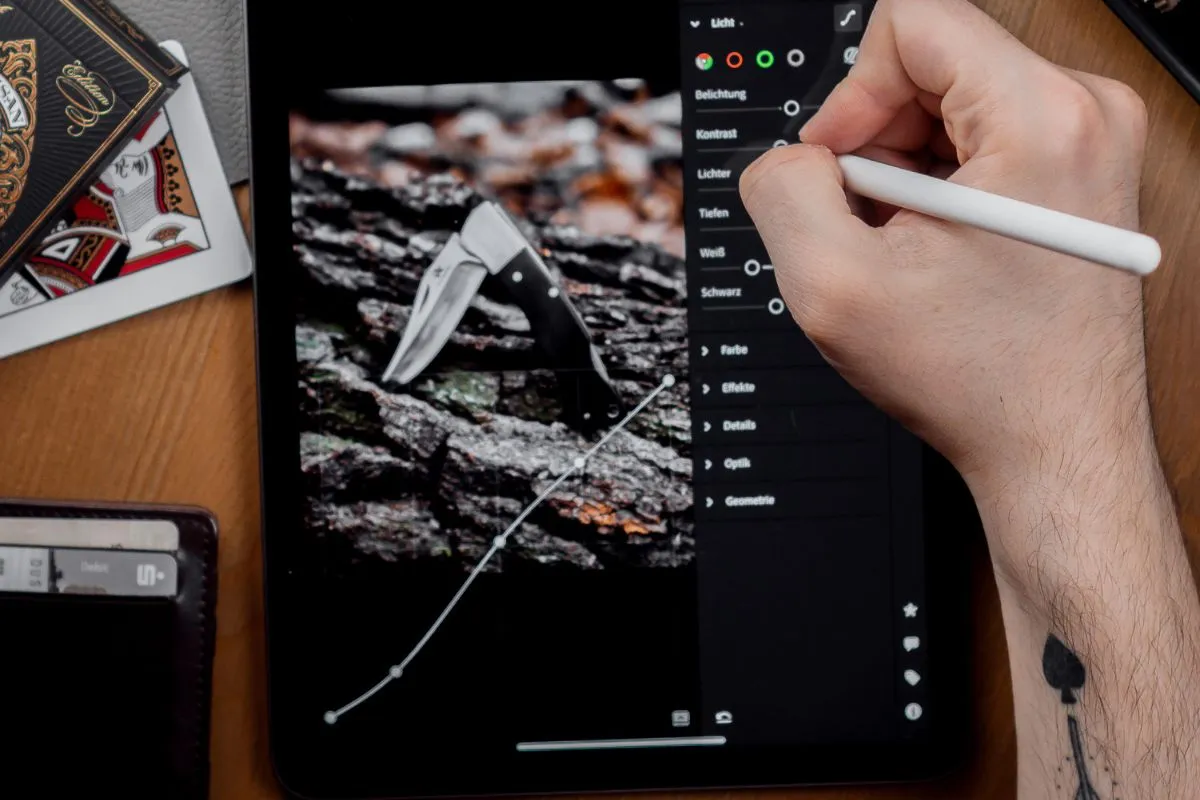
One of the most significant advantages of using AI tools for photo editing is the sheer amount of time they save. Traditional photo editing is a labor-intensive process that can take hours, sometimes days, to complete depending on the number of photos and the complexity of the edits. Photographers often spend hours fine-tuning details like exposure, lighting, and cropping—tasks that can be time-consuming and tedious.
With AI tools for photo editing, many of these tasks are automated, allowing photographers to finish their work much faster. For example, AI can automatically detect and remove unwanted elements from a photo, such as backgrounds or objects, in just a few seconds. Instead of manually adjusting every image, photographers can simply upload their photos and let the AI handle routine tasks, freeing up valuable time for more important creative work.
Moreover, AI tools for photo editing can process large batches of images at once. If you’ve just finished a photo shoot and have hundreds of images to edit, AI tools can apply the same edits (like color correction or lighting adjustments) to all of them automatically. This not only speeds up the editing process but also ensures consistency across multiple images.
Enhanced Creativity: More Freedom to Explore New Styles
Creativity thrives when there’s room to experiment, and AI tools for photo editing allow photographers to focus more on their artistic vision rather than getting bogged down by technical editing tasks. With AI handling routine and repetitive edits, photographers have more time to explore new ideas, styles, and effects.
For example, AI tools for photo editing can suggest unique filters, creative enhancements, and adjustments that a photographer might not have considered otherwise. Photographers can experiment with different artistic styles, color palettes, or textures without worrying about the technical challenges involved. This added creative freedom encourages experimentation and can lead to more innovative and expressive images.
The beauty of AI tools for photo editing is that they help you push boundaries without complicating the editing process. Whether you’re trying out a new style of portrait photography or experimenting with creative landscapes, AI helps you do it faster and with less effort. With less time spent on routine tasks, photographers can focus on refining their creative ideas, making their work stand out more.
Accessibility: Bringing Advanced Editing to Everyone
Photo editing has traditionally been a skill reserved for experienced photographers or professionals who have spent years learning complex software. However, AI tools for photo editing are making advanced editing techniques accessible to a much broader audience, from beginners to enthusiasts.
Many AI tools for photo editing feature easy-to-use interfaces and automated functions that take the guesswork out of editing. Even if you’re new to photography or photo editing, these tools allow you to achieve professional-looking results with minimal effort. For example, AI can automatically adjust the exposure or sharpen an image with just a few clicks. This makes high-quality photo editing accessible to anyone, regardless of their skill level.
In addition, AI tools for photo editing are often designed with simplicity in mind. They offer user-friendly features such as one-click enhancements, presets, and intuitive sliders. This means that even those who have never used editing software before can quickly learn how to improve their photos. Whether you’re a hobbyist or an aspiring photographer, AI tools can help elevate your images to the next level.
Consistent Results: Maintaining a Cohesive Look
For photographers managing multiple images—whether it’s a batch from a photoshoot or a set of photos for a social media campaign—AI tools for photo editing help ensure consistent results. Achieving consistency across a series of photos can be difficult, especially when editing each photo individually. Small inconsistencies in color, contrast, or exposure can result in a jarring look when the images are viewed together.
AI tools for photo editing solve this problem by allowing you to apply the same edits across all images with minimal effort. For instance, if you adjust the color balance or enhance the contrast of one image, the AI can automatically apply the same adjustments to the rest of your photos. This ensures that all images have a unified appearance, making your portfolio, social media feed, or project look more professional and cohesive.
Additionally, many AI tools for photo editing come with preset filters or styles that apply consistent edits across all your photos, which can be particularly useful for creating a recognizable aesthetic. Whether you’re working on a fashion shoot, a wedding album, or content for Instagram, AI tools for photo editing can help you maintain a cohesive visual identity.
Accuracy and Precision: Perfecting Every Detail
AI tools for photo editing are also incredibly accurate, ensuring that even the smallest details are enhanced with precision. While manual photo editing requires keen attention to detail and a steady hand, AI-powered tools can detect imperfections that are often invisible to the human eye. For instance, AI can identify slight exposure issues, automatically adjust white balance, or correct color shifts.
This level of accuracy is particularly valuable for tasks like retouching portraits, where details like skin tone, blemishes, and lighting are important. AI tools for photo editing can automatically adjust skin tones, remove blemishes, and even whiten teeth—tasks that would take a lot of time and effort to do manually. AI doesn’t just make basic corrections; it enhances the overall quality of the photo, making it look polished and professional.
Furthermore, as you continue to use AI tools for photo editing, the AI can learn your preferences and improve its accuracy over time. It can adjust its recommendations based on your style and make more refined suggestions as you work, ensuring that every image is edited to your exact specifications.
Cost-Effective Solution for Professionals and Hobbyists
For photographers, especially those just starting out or working on a budget, purchasing expensive photo editing software or hiring professional editors can be costly. AI tools for photo editing offer a cost-effective solution by providing powerful editing capabilities at a fraction of the cost. Many AI-powered tools are available on a subscription basis or even as one-time purchases, making them affordable for both hobbyists and professionals.
Furthermore, AI tools for photo editing can replace the need for outsourcing editing work, which can be expensive and time-consuming. Whether you’re a freelancer or a professional photographer with a large number of clients, using AI tools can help you save on outsourcing costs and reduce your overall editing expenses.
Popular AI Tools for Photo Editing
In recent years, AI tools for photo editing have revolutionized the way photographers approach image enhancement. These tools leverage the power of artificial intelligence and machine learning to simplify editing tasks, saving time and improving the overall quality of images. With numerous options available, there’s a tool for every need—whether you’re a professional photographer or a casual user.
Below, we dive into some of the most popular AI tools for photo editing, exploring how they function and why they’re favored by users worldwide.
Adobe Photoshop with Adobe Sensei
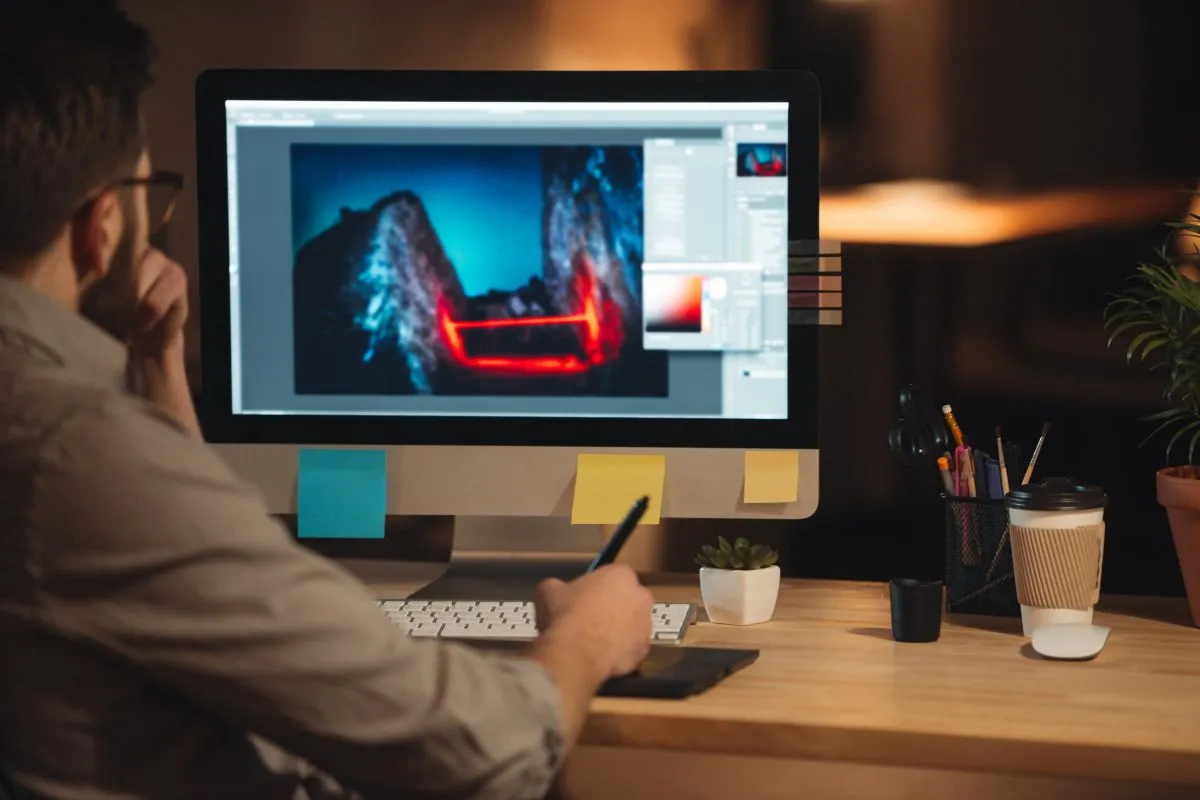
Adobe Photoshop has long been the gold standard in photo editing. With the integration of Adobe Sensei, the software now boasts a wide range of AI-powered features that make editing quicker, more efficient, and more accessible to users of all skill levels.
AI-Powered Subject Selection and Content-Aware Fill
One of the standout AI tools for photo editing in Adobe Photoshop is automatic subject selection. This feature uses machine learning algorithms to analyze the image, automatically identifying the subject—whether it’s a person, an object, or a specific area in the image. With just a single click, users can select and edit the subject without manually tracing its edges.
Another powerful tool is content-aware fill, which automatically removes unwanted elements from an image, such as objects or blemishes. Instead of manually cloning or healing pixels, the AI scans the surrounding area and intelligently fills in the empty space, creating a seamless, natural look.
Sky Replacement and Lighting Adjustments
Photoshop also incorporates AI-driven sky replacement, a game-changer for landscape and outdoor photographers. The AI analyzes the existing sky and automatically replaces it with a more dramatic or visually appealing one, adjusting the rest of the image to match the new lighting and colors. Whether you want to add a sunset or a clear blue sky, Photoshop makes this process incredibly easy and fast.
Additionally, Adobe Sensei’s AI tools for photo editing help adjust the lighting and color balance across the entire image, ensuring that changes blend smoothly and look natural. These intelligent adjustments save hours of manual editing work.
Luminar AI
Luminar AI is a photo editing software that places a heavy emphasis on AI technology. Unlike other photo editing programs, Luminar AI uses artificial intelligence to take over the heavy lifting in photo enhancement, allowing users to focus more on the creative aspects of their work.
AI Sky Replacement
One of the most powerful AI tools for photo editing in Luminar AI is its AI Sky Replacement. This tool automatically detects the sky in an image, making it easy to replace it with another sky of your choice. The AI doesn’t just change the sky; it also adjusts the lighting and tones of the entire photo to match the new sky, ensuring that the final result looks realistic and harmonious.
AI Skin Retouching and Portrait Enhancement
Another highly popular feature is AI skin retouching, which automatically identifies and smooths skin while preserving natural details like texture and pores. The software can also remove blemishes and even out skin tones, all with a few clicks. This makes it a great tool for portrait photographers looking to save time while achieving professional-level retouching.
Luminar AI’s AI tools for photo editing are also designed to enhance the overall composition of an image. The software uses AI to provide suggestions for crop adjustments, alignment, and framing, making it easier for photographers to achieve visually balanced compositions.
Fotor
Fotor is a user-friendly online photo editor that brings AI tools for photo editing to casual photographers and enthusiasts. Its intuitive interface and easy-to-use features make it a great option for those who need quick and effective photo enhancements without the complexity of professional software.
One-Tap Enhancement and Auto-Adjustment
Fotor’s one-tap enhancement feature is an excellent example of AI tools for photo editing that make the editing process faster. This tool automatically analyzes a photo’s exposure, brightness, and contrast and applies adjustments to improve its overall appearance. With just one click, users can transform a dull photo into a vibrant and well-balanced image.
Background Removal and Object Editing
Fotor also offers AI-powered background removal, which automatically detects the subject in a photo and removes the background. This feature is incredibly useful for creating clean, professional-looking images, especially for product photography or profile pictures. With AI handling the background removal, photographers can focus on other creative tasks.
For object editing, Fotor’s AI can easily remove unwanted items from a photo, providing a cleaner and more polished image. Whether you want to remove a stray object or replace a section of the photo, Fotor’s AI tools make it simple and quick.
Topaz Labs AI Tools
Topaz Labs is well-known for its powerful AI tools for photo editing, particularly for tasks like noise reduction, sharpening, and image upscaling. Their suite of AI tools has been designed with professional photographers in mind, offering precise control over each aspect of photo editing.
Topaz Gigapixel AI
Topaz Gigapixel AI is a revolutionary tool for enlarging images without losing quality. Using advanced AI, Gigapixel analyzes low-resolution images and adds missing details, making it possible to enlarge photos without introducing pixelation. Whether you’re printing a large image or working with a low-resolution file, this AI tool ensures that the enlarged image looks sharp and detailed.
Topaz DeNoise AI
Another highly useful tool in the Topaz suite is Topaz DeNoise AI. This AI-powered tool is designed to reduce noise in photos while preserving important details. It’s especially useful for images taken in low-light conditions, where noise can often be a problem. With DeNoise AI, photographers can clean up their photos without sacrificing clarity or sharpness.
Topaz Sharpen AI
Topaz Sharpen AI helps photographers fix soft or blurry images by analyzing and enhancing the sharpness of the photo. This AI tool for photo editing uses machine learning to identify the cause of the blur (whether it’s from motion, focus, or general softness) and correct it, restoring details that may have been lost.
Deep Dream Generator
Deep Dream Generator is an AI-powered tool that allows users to apply unique, surreal, and artistic effects to their photos. Unlike traditional photo editing software, Deep Dream Generator uses deep learning algorithms to transform images into dream-like, abstract works of art.
AI-Driven Artistic Effects
Using AI tools for photo editing, Deep Dream Generator applies artistic styles to images by mimicking the characteristics of famous artworks or creating new, imaginative visuals. It’s ideal for those who want to explore creative possibilities beyond traditional photo enhancements.
Challenges and Considerations
While AI tools for photo editing offer many benefits, it’s important to also recognize the challenges and considerations that come with using these technologies. As powerful as AI has become, there are concerns that need to be addressed, especially in terms of maintaining the integrity of photography and the artistic process.

The Loss of Traditional Editing Skills
One of the main concerns about the rise of AI tools for photo editing is that they might lead some photographers to lose touch with traditional editing techniques. In the past, photographers would spend a significant amount of time manually adjusting elements like exposure, contrast, and saturation. This hands-on process allowed them to develop a deep understanding of the technical aspects of photography and editing.
However, with the advent of AI tools that can automatically enhance photos, there’s a risk that photographers may become overly reliant on these automated processes. As these tools become more accessible and easier to use, some might skip learning the fundamentals of photo editing altogether. While these tools can save time and simplify workflows, they may also prevent photographers from fully honing their skills and understanding the craft on a deeper level.
The Risk of Over-Editing
Another challenge with AI tools for photo editing is the potential for over-editing. AI-powered tools, by nature, are designed to optimize images by applying various enhancements like adjusting lighting, removing imperfections, and even changing backgrounds. While these features can improve a photo’s appearance, there is a fine line between enhancing a photo and over-editing it to the point where it no longer resembles the original image.
Over-reliance on AI editing features might result in photos that look overly processed or unrealistic. For instance, AI tools can sometimes adjust skin tones or smooth out wrinkles to an extreme degree, creating images that appear unnatural. Photographers who don’t pay attention to the finer details of these edits might unintentionally produce work that feels artificial or overly polished, which can detract from the raw beauty of a photo.
As photographers, there’s a need to be mindful of how much editing is done. While AI tools for photo editing can help improve a photo’s aesthetics, the essence of the image should still be preserved, keeping it authentic and true to the photographer’s original vision.
Ethical Considerations in AI-Powered Editing
Ethical considerations are another significant factor when using AI tools for photo editing. In an era where visual content is consumed more than ever, the authenticity of photos has become a topic of discussion. Photos are often seen as representations of reality, and when AI is used extensively in editing, it can create images that are misleading or distorted.
For example, AI tools for photo editing can easily manipulate facial features, adjust body shapes, or even change backgrounds in ways that don’t align with the original scene. While these changes might be used for artistic or creative purposes, there are times when such alterations can mislead viewers or present an unrealistic version of the world. This is especially relevant in areas like journalism, advertising, or social media, where photos can influence perceptions and decisions.
In the context of portrait photography, for example, heavy use of AI tools for photo editing to smooth skin, brighten eyes, or reshape features might create an idealized version of the person that doesn’t reflect their true appearance. This can lead to unrealistic beauty standards and increase societal pressure on individuals to conform to those ideals.
Photographers must carefully navigate these ethical concerns. They need to consider the purpose of their edits and whether or not they are misleading their audience. Striking a balance between enhancing a photo and maintaining honesty is crucial to ensuring that AI editing tools are used responsibly.
Balancing Artistic Vision and Technology
Despite the challenges, AI tools for photo editing can be an incredible asset to photographers. The key is to find the right balance between using these tools and staying true to one’s artistic vision. While AI can save time and simplify complex tasks, it’s important for photographers to use these tools in a way that complements their creative process, not takes over it.
For example, photographers can use AI to handle repetitive or tedious tasks, such as removing backgrounds or adjusting exposure, which frees up more time for them to focus on composition, lighting, and storytelling. By using AI tools to handle the technical aspects of editing, photographers can explore their creativity in new ways, without being bogged down by manual adjustments.
However, the best photographers will always maintain a level of control over the final image. AI tools should be viewed as helpful assistants that can speed up the editing process but should never completely replace the photographer’s eye for detail or artistic judgment.
The Future of AI in Photography
Looking ahead, it’s clear that AI tools for photo editing will continue to evolve, becoming more sophisticated and accessible to photographers of all skill levels. As the technology improves, new features will emerge, allowing for even more seamless and intuitive editing processes.
However, as these tools become more advanced, it’s essential for photographers to continue to engage with the artistic and technical aspects of their work. The human touch will always be a vital component of photography, no matter how powerful AI becomes. As long as photographers strike the right balance between utilizing AI tools and maintaining their unique vision, the future of photography looks incredibly exciting.
In conclusion, AI tools for photo editing are revolutionizing the photography landscape. They offer efficiency, creativity, and accessibility to photographers of all skill levels. By embracing these advancements, photographers can enhance their work while maintaining their unique artistic vision, paving the way for exciting new possibilities in visual storytelling.
See more»